Russian Old Believers in Millville NJ

March 13, 2012

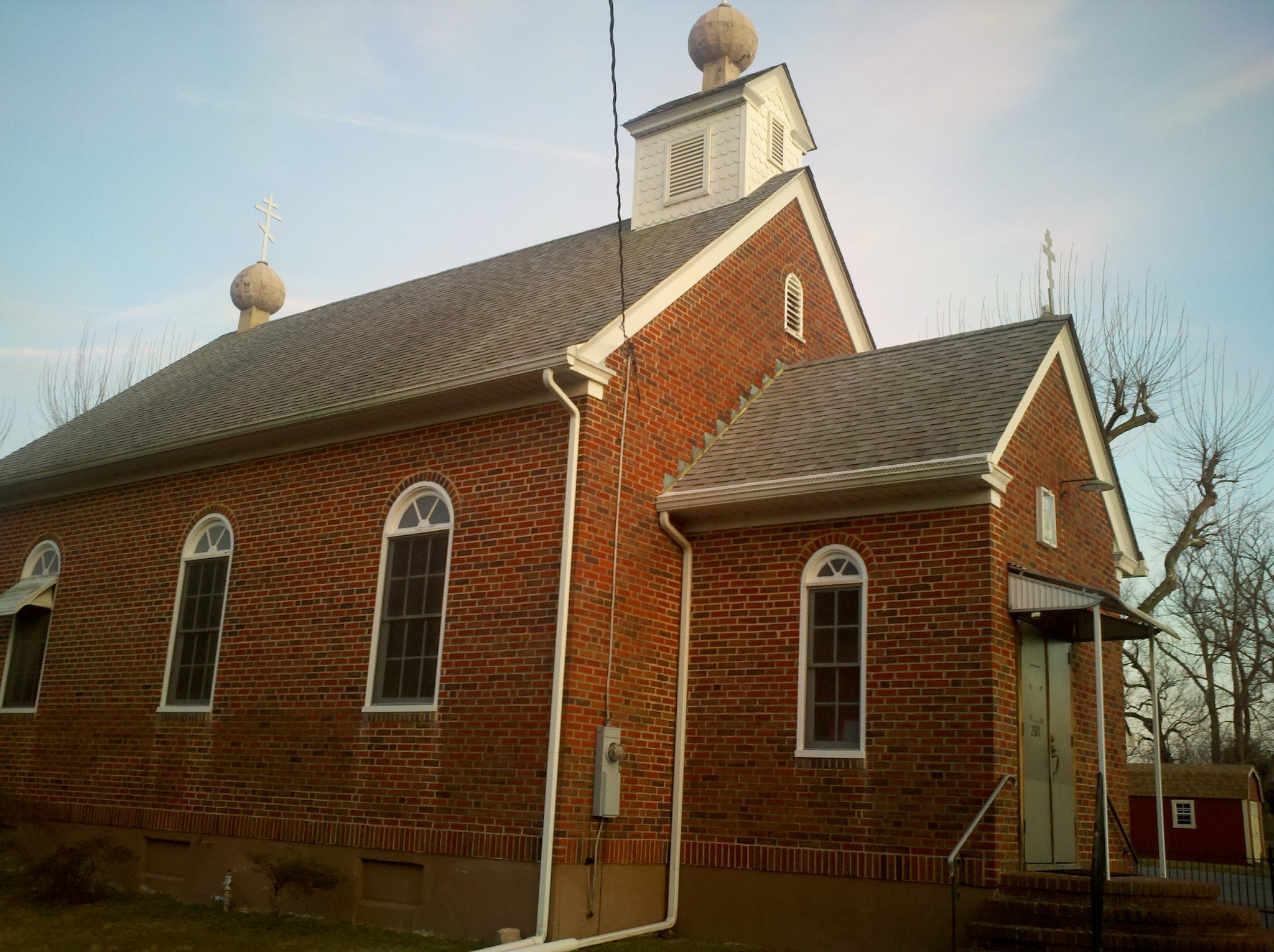
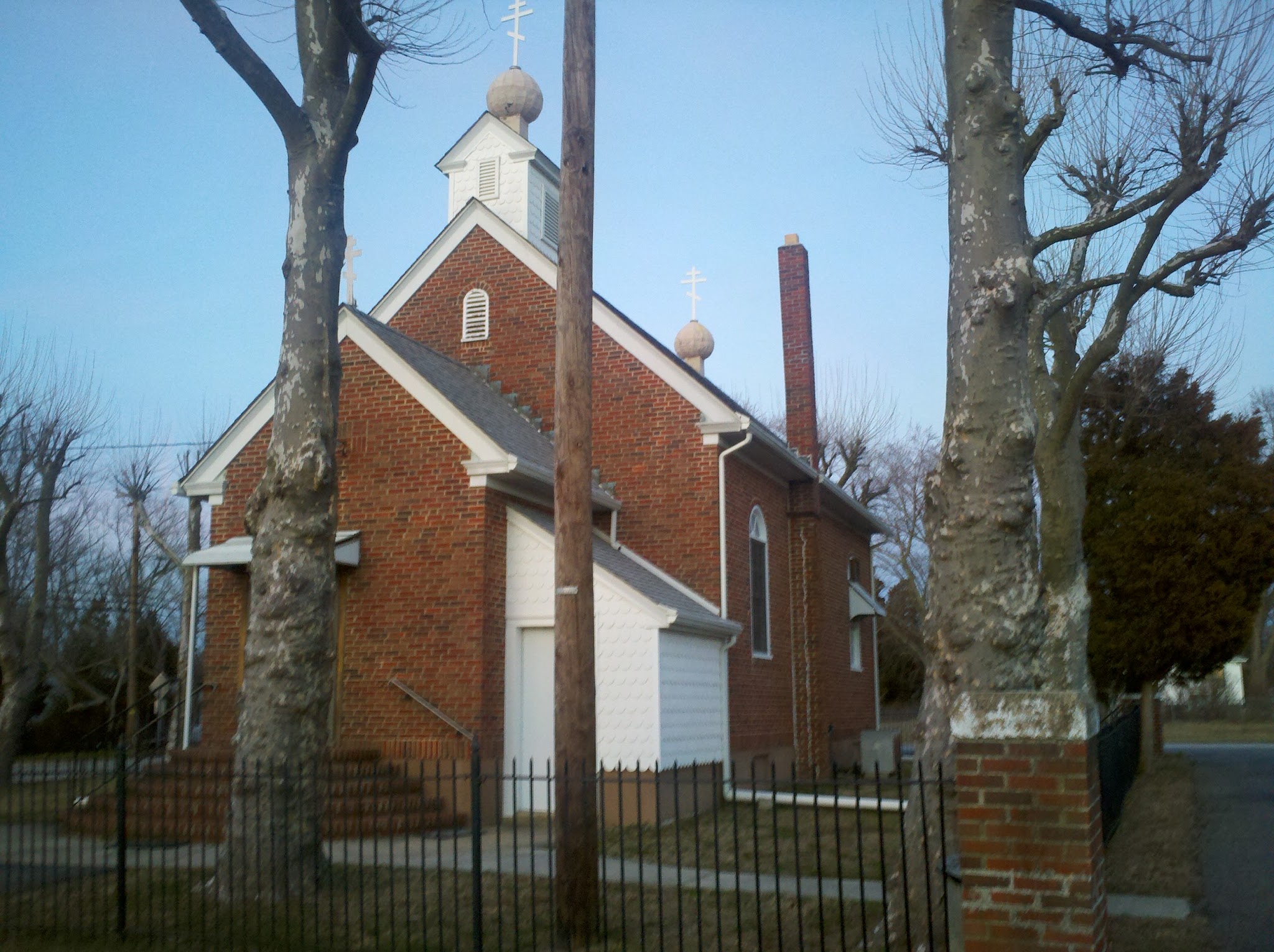
A few weeks ago we were con­tact­ed by some­one from the St Nicholas Cen­ter (http://​www​.stni​cholas​cen​ter​.org) ask­ing if they could use some pho­tos I had tak­en of the church my wife is attend­ing, Mil­lville N.J.‘s St Nicholas Ukrain­ian Catholic. Of course I said yes. But then my cor­re­spon­dent asked if I could take pic­tures of anoth­er church she had heard of: St Nicholas Old Believ­er’s Church. It’s on the oth­er side of Mil­lville from our St Nick­’s, on an ancient road that dead ends in woods. We had to visit.

The Old Believ­ers have a fas­ci­nat­ing his­to­ry. They were Russ­ian Ortho­dox Chris­tians who refused to com­ply with litur­gi­cal changes man­dat­ed by the Patri­arch and Czar in the 1650s. As usu­al, there was a lot of pol­i­tics involved, with the Czar want­i­ng to cozy up with the Greek Ortho­dox to ally Rus­sia against the Mus­lim Ottomans, etc., etc. The the­o­log­i­cal charge was that the Greek tra­di­tions were the stan­dard and Russ­ian dif­fer­ences latter-day inno­va­tions to be stamped out (more mod­ern research has found the Rus­sians actu­al­ly were clos­er to the old­er forms, but no mat­ter: what the Czar and Patri­arch want, the Czar and Patri­arch get). The old prac­tices were banned, begin­ning hun­dreds of years of state-sponsored per­se­cu­tion for the “Old Believ­ers.” The sur­vivors scat­tered to the four cor­ners of the Russ­ian empire and beyond, keep­ing a low pro­file wher­ev­er they went.

The Old Believ­ers have a fas­ci­nat­ing frac­tured his­to­ry. Because their priests were killed off in the sev­en­teenth cen­tu­ry, they lost their claims of apos­tolic suc­ces­sion – the idea that there’s an unbro­ken line of ordi­na­tion from Jesus Christ him­self. Some Old Believ­ers found work-arounds or claimed a few priests were spared but the hard­core among them declared suc­ces­sion over, sig­nal­ing the end times and the fall of the Church. They became priest­less Old Believ­ers – so defen­sive of the old litur­gy that they were will­ing to lose most of the litur­gy. They’ve scat­tered around the world, often wear­ing plain dress and liv­ing in iso­lat­ed communities.

The Old Believ­ers church in Mil­lville has no signs, no web­site, no indi­ca­tion of what it is (a life­long mem­ber of “our” St Nick­’s called it mys­te­ri­ous and said he lit­tle about it of it). From a few inter­net ref­er­ences, they appear to be the priest­less kind of Old Believ­ers. But it has its own dis­tinc­tions: appar­ent­ly one of the great­est icono­g­ra­phers of the twen­ti­eth cen­tu­ry lived and wor­shipped there, and when famed Russ­ian polit­i­cal pris­on­er Alek­san­dr Solzhen­it­syn vis­it­ed the U.S. he made a point of speak­ing at this sign­less church on a dead end road.

Links:
* Wikipedia: http://​en​.wikipedia​.org/​w​i​k​i​/​O​l​d​_​B​e​l​i​e​v​ers
* Account of US Lithuan­ian Bespopovt­sy com­mu­ni­ties: http://​www​.synax​is​.info/​o​l​d​-​r​i​t​e​/​0​_​o​l​d​b​e​l​i​e​f​/​h​i​s​t​o​r​y​_​e​n​g​/​n​i​c​o​l​l​.​h​tml
* OSU Library on icono­g­ra­ph­er Sofronv (PDF): http://​cmrs​.osu​.edu/​r​c​m​s​s​/​C​M​H​2​1​c​o​l​o​r​.​pdf
* Solzhen­it­syn’s 1976 vis­it: http://www.freerepublic.com/focus/f‑news/2057793/posts

In album St Nicholas Old Believ­ers, Mil­lville NJ (9 photos)


Syrup that Masks the Salt

March 4, 2012

Wor­ship at the Med­ford (N.J.) Meet­ing start­ed this morn­ing with queries for the upcom­ing “Salt and Light” gath­er­ing of world Friends. Med­ford is send­ing a del­e­gate to the Kenyan event, and in prepa­ra­tion they’re read­ing the queries from the Salt and Light mate­r­i­al dur­ing the month of March, along with some pas­sages from the Gospel of Mark(“Salt is good: but if the salt have lost his salt­ness, where­with will ye sea­son it? Have salt in your­selves, and have peace one with anoth­er.” http://​bible​.us/​M​a​r​k​9​.​4​9​.​KJV). I spoke in wor­ship to a recent omis­sion of salt.

A Sat­ur­day rit­u­al in the house­hold is morn­ing pan­cakes. One of the boys likes choco­late chips in his pan­cakes; anoth­er likes vanil­la chips; I myself like blue­ber­ries. What all the pan­cakes have in com­mon is salt: just one and half t‑spoons in the mix­ing bowl is enough to trans­form the batter.

A few Sat­ur­days ago I for­got the salt. The results looked like pan­cakes but when we bit into them we knew they weren’t right. Rather than give them up, we poured them extra-heavy with syrup. Enough syrup masked the bland taste­less­ness of the pan­cakes – the emp­ty form of these almost pan­cakes – and allowed us to eat it.

How many of the reli­gious bod­ies descend­ed from Mark’s ear­ly gospel have masked our salt­less­ness (or a fear of it) with extra heap­ings of syrup? Cer­tain­ly, the cur­rent fash­ion for charis­mat­ic preach­ers and praise rock bands can act as a kind of mask­ing syrup. But there’s all sorts of ways of com­pen­sat­ing for miss­ing salt.

As Jon Watts and Mag­gie Har­ri­son have been remind­ing us though the http://​www​.clothey​our​selfin​right​eous​ness​.com project, ear­ly Friends opt­ed for spir­i­tu­al naked­ness: peo­ple gath­er­ing with­out props or dis­trac­tions, one-on-one and togeth­er wait­ing for the Holy Spir­it to lift up and gath­er the wor­ship. The salt is the Liv­ing Spir­it, here to guide, direct, com­fort and scold. In the qui­et of a Friends meet­ing you’ve either got it or you don’t. We’re work­ing with­out nets and there’s not much room to hide. The ques­tion fac­ing the par­tic­i­pants in Kenya – and the gath­er­ers in every Friends meet­ing­house and church in the world – is whether we have the salt.

There are many types of mask­ing syrup. Even once-radical Friends have found ways to side­step the salt ques­tion, pre-empting the emp­ty naked­ness of our wor­ship with caus­es, busy-ness, his­tor­i­cal fes­tishism, etc. When Friends gath­er in Kenya, I hope they will ask one anoth­er about the salt, the Liv­ing Spir­it. Maybe they can bring back a re-appreciation of naked­ness. For the good news is that Jesus is always ready to bring salt to the sim­plest of meals: “Behold, I stand at the door, and knock: if any man hear my voice, and open the door, I will come in to him, and will sup with him, and he with me.” (http://​bible​.us/​R​e​v​3​.​2​0​.​KJV).

Embed­ded Link

Wel­come to the World Con­fer­ence of Friends 2012 Website

The largest world­wide con­fer­ence of Friends since 1967 comes togeth­er from 17 – 25 April 2012 in Kenya. The theme is Being Salt and Light — Friends liv­ing the King­dom of God in a bro­ken world. One thous…

Naked Leadership on QuakerQuaker This Week

February 26, 2012

On the blogs, Robin Mohr wrote about Friends lead­er­ship and vision and the “Nakedness/You’re Not a Quak­er” respons­es con­tin­ue with two more follow-up’s among this week’s Edi­tor Picks. Else­where, the Mod­ern Quak­ers and Cloth­ing project has been col­lect­ing some great per­son­al sto­ries. And on a house­keep­ing note, dona­tions for Quak­erQuak­er have been pret­ty light late­ly; please con­sid­er help­ing out.

Embed­ded Link

Naked Lead­er­ship? [Quak­erQuak­er This Week, 2/26/12] — QuakerQuaker
Naked Leadership?
On the blogs, Robin Mohr wrote about Friends lead­er­ship and vision and the Nakedness/You’re Not a Quak­er respons­es con­tin­ue with two more f… 

Another Saturday at St Nick’s

February 26, 2012

Most Sat­ur­day nights find me fol­low­ing my wife to St Nicholas Ukrain­ian Catholic Church in Mil­lville NJ. I’m often chas­ing kids and this Sat­ur­day was no excep­tion. Tonight I snapped as I chased. Most of these shots have a tou­sled head just off cam­era. It’s a nice lit­tle church. You can learn more at their web­site at http://​www​.stni​cholas​mil​lville​.com.

In album St Nicholas 2/25/12 (8 photos)
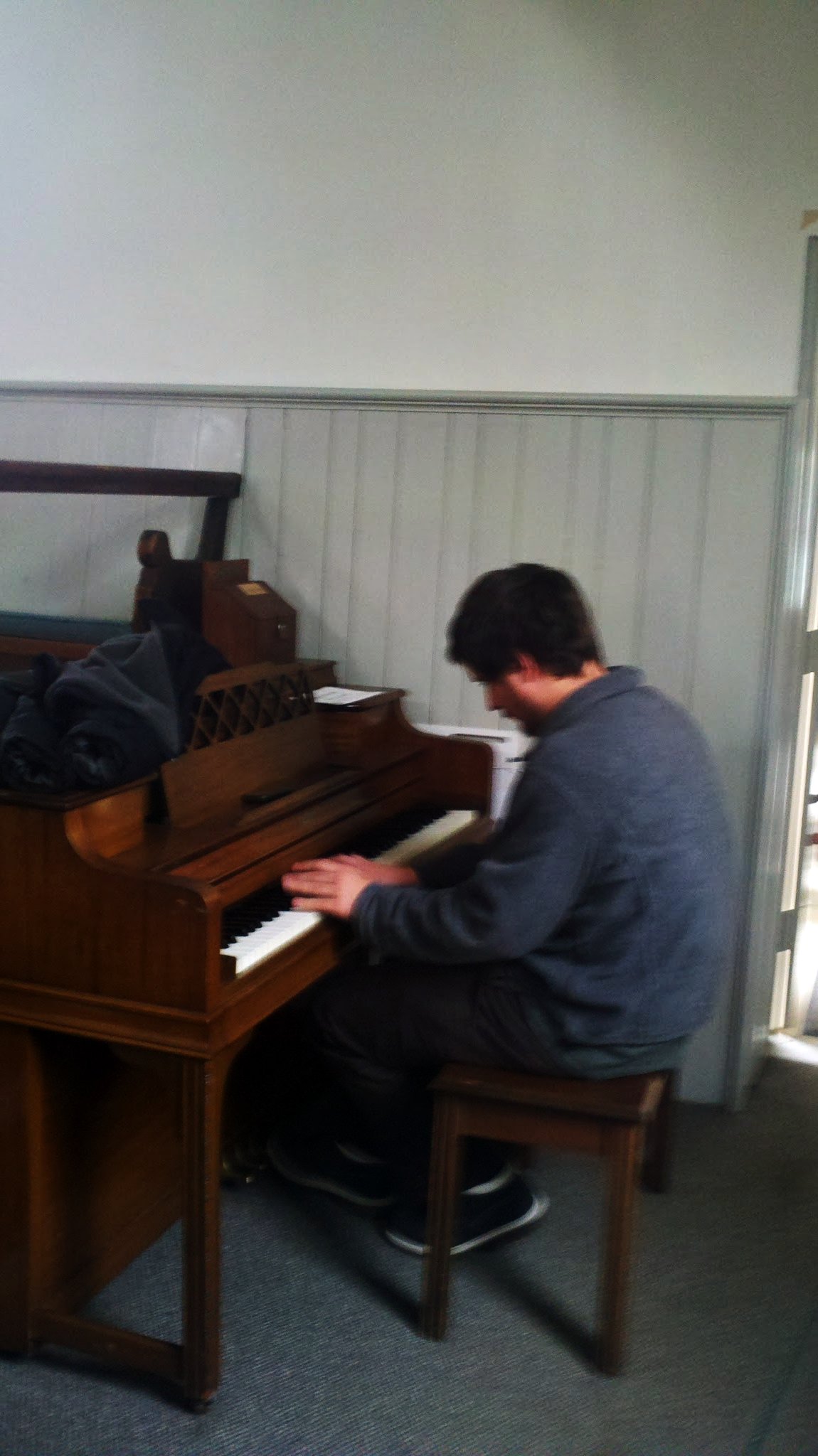
The inte­ri­or from the balcony.

Vision and leadership: keeping the long view

February 20, 2012

In her lat­est post at http://​robin​msf​.blogspot​.com/​2​0​1​2​/​0​2​/​v​i​s​i​o​n​.​h​tml, +Robin Mohr asks for “sto­ries of Quak­er lead­ers and committees/organizations that have func­tioned well together.”

It was in col­lege that I first heard Max Weber’s idea that bureau­cra­cies grow to even­tu­al­ly see their own main­te­nance as their prime objec­tive (Wikipedia has a sec­tion on Weber­ian bureau­cra­cy http://​en​.wikipedia​.org/​w​i​k​i​/​B​u​r​e​a​u​c​r​a​c​y​#​W​e​b​e​r​i​a​n​_​b​u​r​e​a​u​c​r​acy). At the time I assumed we were talk­ing about gov­ern­ments but it did­n’t take long in the non­prof­it world to see the phe­nom­e­non alive there as well. Resources go to the pro­grams that can attract the biggest donor atten­tion. Com­mit­tee dis­cern­ment gets short-circuited. Inter­nal bench­marks become the mea­sure even if the are dis­con­nect­ed from actu­al effect or mis­sion. If a need aris­es from out­side of the bound­aries of the inter­nal struc­tures, it is ignores: there’s lit­tle incen­tive to address it.

The only real solu­tion is to keep remem­ber­ing why we’re doing what we’re doing. It’s the prac­tice of self-reflection, it’s the exer­cise of ask­ing what we might be called to. Per­haps this is a lead­er’s real job description.

I’ve been think­ing again late­ly of the way the Soci­ety of Friends respond­ed to the Tom Fox kid­nap­ping, a sto­ry I recount­ed in “Why Would a Quak­er Do a Crazy Thing Like That”(https://​www​.quak​er​ran​ter​.org/​2​0​0​6​/​0​6​/​w​h​y​_​w​o​u​l​d​_​a​_​q​u​a​k​e​r​_​d​o​_​a​_​c​r​a​zy/). I think the under­whelm­ing response was most­ly a fail­ure of imag­i­na­tion. Too many of the orga­ni­za­tions in ques­tion had set­tled them­selves into narrowly-defined mis­sion silos of their own mak­ing. They did­n’t know what to make of the sit­u­a­tion. I’d like to hope that a Rufus Jones or Howard Brin­ton would have cut through the slack, and I am encour­aged at some recent con­ver­sa­tions I’ve had with some emerg­ing lead­ers, but as a stu­dent of his­to­ry I know these are eter­nal prob­lems that are always ready to return.

My the­o­ry of media and social change is that 90% of the time we’re talk­ing amongst our­selves, invit­ing peo­ple in to the con­ver­sa­tion and build­ing an infra­struc­ture of com­mu­ni­ty. It’s one-on-one work, slow, peo­ple inten­sive (but then that’s what makes it enjoy­able, right?). The fruits of this labor become vis­i­ble with unex­pect­ed oppor­tu­ni­ties – those times when we’re called on by a larg­er pub­lic to explain our­selves or describe the world as we see it. If we’ve been doing our back­ground work – plant­i­ng the seeds that is the peo­ple of our com­mu­ni­ty – then we will be ready to step up to the chal­lenge. If we’re not, oppor­tu­ni­ty slips away. 

The his­to­ry of Friends – maybe the his­to­ry of the church uni­ver­sal – is one of missed oppor­tu­ni­ties; the mir­a­cle of faith is that some­times we con­nect with one anoth­er in the love that is God and lay some more bricks and mor­tar for God’s king­dom on Earth.

Embed­ded Link

What Canst Thou Say?: Vision
With­out vision, the peo­ple per­ish. Most­ly because they get eat­en by tigers they did­n’t see com­ing. Isn’t that a joke from Calvin & Hobbes? I’ve been think­ing a lot about vision lately.… 

Seth Godin on the idea of the “book”

February 17, 2012

Godin tends to be too enam­ored by big ideas for my tastes, but there’s a few ideas in here worth chew­ing over, specif­i­cal­ly how the forced-scarcity of tra­di­tion­al book pub­lish­ing is giv­ing way to near­ly infi­nite elec­tron­ic bookshelves.

The struc­tures of books cer­tain­ly are bound­ed by the forms of their mar­ket­ing. One lim­i­ta­tion Godin does­n’t men­tion is the 64 page min­i­mum – this is what you need to be able to put a spine on the book, am essen­tial fea­ture if it’s to show up book­store shelves. One of my trick­i­est type­set­ting assign­ments back in my non­prof­it pub­lish­ing career was to stretch a 40 page essay to 64 so it could be a book. I used all the tricks of a des­per­ate first year stu­dent with class twen­ty min­utes off (the book went on to become one of our best­sellers, if I could have stretched it 96 pages we might have remained solvent).

This book just exag­ger­at­ed a com­mon phe­nom­e­non. Many of our authors had a few great insights that could be ade­quate­ly shared in the first few chap­ters. The rest of the books would­n’t just be my calorie-free mar­gins. There were enougn words to fill up a book but after 70 or 90 pages the read­er would have read the most orig­i­nal con­tent and could safe­ly put the book down in the “to be fin­ished lat­er” pile.

Free of book lim­i­ta­tions – and book sell­ing lim­i­ta­tions – most of these works would habe been far dif­fer­ent. some of the more basic ques­tions will remain with us: how do we get our works into the hands of read­ers, and how we pay the rent while doing it?

Embed­ded Link

The end of paper changes every­thing — The Domi­no Project
Not just a few things, but every­thing about the book and the book busi­ness is trans­formed by the end of paper. Those that would pre­fer to deny this obvi­ous truth are going to find the busi­ness they lo…