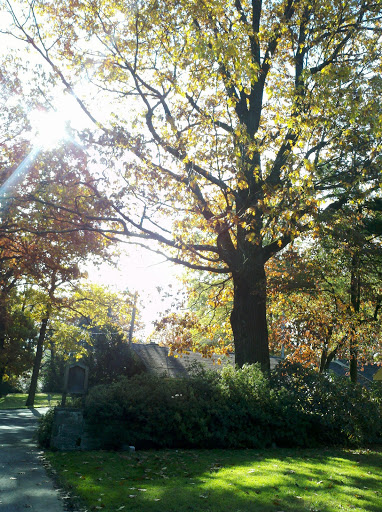
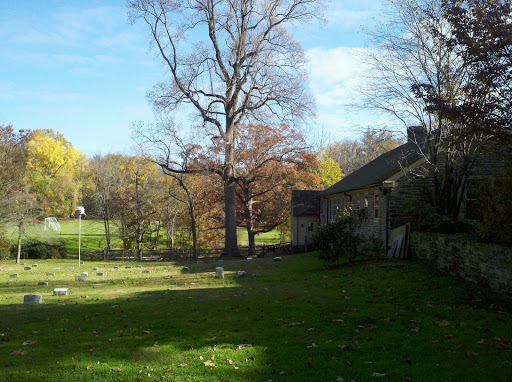
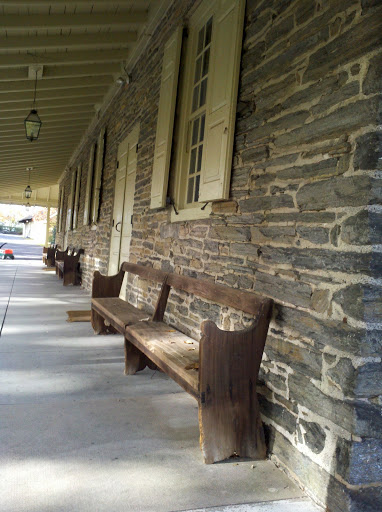
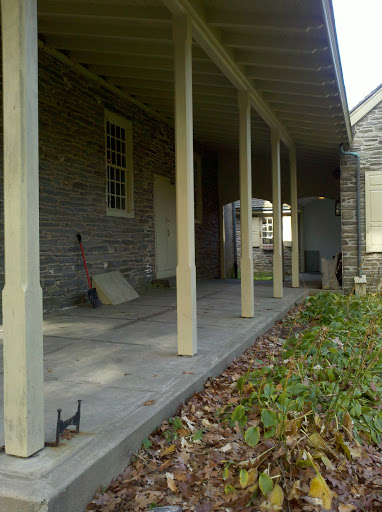
Here’s a few scenes from the meetinghouse and grounds beforehand.
In album Scenes of Abington Meeting (10 photos)

CameraZOOM-20111106095100061



Google+: View post on Google+
Here’s a few scenes from the meetinghouse and grounds beforehand.
In album Scenes of Abington Meeting (10 photos)
CameraZOOM-20111106095100061
Google+: View post on Google+
In my twenty-plus years with Friends, I’ve seen Big Outreach Projects come and go. I’m afraid I can’t even remember most of the Great Names they had. Is there a repository for their Bold Mission Statements? Videos from their Important Conferences? You’d think with all this talk of Community and Vibrance and Roots and Newness that the Society of Friends would be busting out at the seams. Well, I thought I’d get into the act, throw my hat in the ring if you will and give you the Biggest Newiest Outreachiest Program Ever:
When a newcomer shows up at meeting, invite them out for lunch.
I’ll leave the details up to you. Your place, a local restaurant, sandwiches at the meetinghouse, doesn’t matter. Total newcomer, someone from another meeting, a old regular who hasn’t shown up in awhile, doesn’t matter. When someone you didn’t expect shows up for worship on First Day Morning, say hi and invite them to a meal. What’s that? You missed it?
When a newcomer shows up at meeting, invite them out for lunch.
I warn you, you might be venturing into Quaker Uncomfort Zones:
Now I realize this proposal is HERESY! It’s a complete violation of QUAKER PRINCIPLES! Cost of the program: nothing. Number of committees needed to oversee it: zero. Mission statement: twelve words, already written (Review with me: “When a newcomer shows up at meeting, invite them out for lunch“). Planning consultations: none. Amount of airfare transporting Important Friends hither and yon: zero. Presentations at yearly meetings: none. Staff support: none. Grant proposals: none. Oh but don’t get me wrong, THERE ARE HUGE COSTS! You might have to schedule that committee meeting for another day!!! You might have to have that Important Conversation with a fellow committee member by PHONE later in the afternoon!!! You might have one hour less on First Day for all of the Critically Important Things You Have to Do. Your Facebook friends won’t be particularly impressed when you update to say you had lunch with someone they’ve NEVER EVEN HEARD OF!
Random capitalization aside for a moment, I realize that there are Friends with a gift of hospitality. And some of us can come out of our shells if we make a bit of effort (it’s not the most natural thing for me either). I’ve seen a few meetings and yearly meetings that seem to have a talent for hospitality so I know it’s possible. But I visit a lot of meetings these days and have to report that I rarely have the opportunity for more than ten minutes of idle chit-chat after worship before everyone’s jumped in their cars. I’ve seen Friends so involved with committee-work that they don’t notice new people or notice when regulars stop coming. Newcomers typically look around with a mix of hopefulness and anxiety at the rise of worship. Handshakes and introductions are helpful; welcome tables, brochure racks and name tags are all very good. But depending on personality, shy visitors will only stick around for a few minutes if no one engages them any further. Like all of us, they’re looking for a personal connection and want more than just a few questions answered Wikipedia-style. Not everyone will take us up on our offer of lunch but they’ll remember we offered and will be that much more likely to return a second time.
So, one more time, in case missed it, the most outreachiest program ever:
When a newcomer shows up at meeting, invite them out for lunch.
Now go off and outreach. I hear the blueberry waffles down the street are really yummy.

One of my favorite sites is the amazing NJChurchscape.com—that’s New Jersey Churchscapes, put together largely through the efforts of Frank L. Greenagel. It’s a true labor of love, a cataloging of church and meeting architecture in New Jersey. It has beautiful photos, great stories, readable essays on architecture. In a state where everything below Cherry Hill often gets ignored, South Jersey gets good coverage and there’s a lot from the old Quaker colony of West Jersey. This month’s feature is on the meetinghouse, a building of endearing simplicity and it raises a lot of questions for me of how we relate to our church buildings.
We modern-day Friends tend to think of the term meetinghouse as uniquely ours, but go back in history and you’ll find just about everyone using the term to describe the non-showy buildings they erected for religious services and town life. Drive around South Jersey and you’ll see old Methodist churches that started out life as meetinghouses and look surprisingly Quaker. Greenagel looks at the style and then asks:
At what point does a structure cease being a meetinghouse and become a church?.. With the rising affluence and increased mobility of the population came a demand for more specialized places to meet, as well as more of the basic comforts and style which heretofore were dismissed as too worldly, so many churches added smaller lecture rooms, classrooms for Sunday school, and other assembly rooms distinct from the main auditorium.
By this measure, how many of our beloved East Coast Quaker meetinghouses should really just be called “churches?” In the nineteenth century the Protestant “Sunday School Movement” was picked up by Gurneyite and Progressive Hicksite Friends, with the classes simply renamed “First Day School” in deference to Quaker sensibilities (I’ve always wondered if the name switch actually fooled anyone, but that’s another story). By the twentieth century, the new modern liberal Friends had picked up the lecture format, which like the First Day School movement had been adopted from educational models via other religious groups. Many of our larger monthly meetings have fellowship halls, classrooms, kitchens, etc. These buildings have become specialized religious worship buildings and many of them sit empty for most of the week. But not all.
Nowadays many Quaker meetings with buildings open them mid-week for use by community groups. Quaker meetinghouses host peace groups, battered women hotlines, yoga classes, religious congregations in need of a temporary home and similar causes. There’s often an element of good works in the group’s charter.
Perhaps this willingness to open our buildings up earns us the right to continue using the meetinghouse name. If so, we should be careful to resist the pressure of the insurance industry to close ourselves up in the name of liability. One uniqueness to our worship spaces is that they are not consecrated and there should be no special rules for their use. They are oversized barns and we should cherish that. We should remember not to get fetishistic about their history and we shouldn’t tie up our business meetings in endless discussions over the color of the new seat cushions. When we turn our buildings over for others’ use, we shouldn’t worry overly much if a chair or clock gets damanged or stolen. Friends know that our religion is not our buildings and that the measure of our spirit is simply how far we’ll follow God, together as a people.