I thought I’d try an experiment

November 8, 2011

My life is now such that I don’t have the time to do long-form, thought­ful blog­ging. When I have time to think about big ideas expressed in well-chosen words, it’s as edi­tor at Friends Jour­nal. I have a rather long com­mute but it’s bro­ken up with trans­fers, I often have to stand and I usu­al­ly don’t have a lap­top on me. What I do have is a smart phone, which I use to keep up with Quak­er blogs, lis­ten to pod­casts and take pictures.

Despite this, I can usu­al­ly write a few para­graphs at a time. Kept at steadi­ly those could amass into blog posts. But the finishing-up effort is hard. I have a 2/3rds com­plet­ed post lav­ish­ing high praise for +Jon Watts’s new album sit­ting on my phone but haven’t had the chance to fin­ish, pol­ish and pub­lish. So what if I seri­al­ized these? Write a few para­graphs at a time, invite com­men­tary, per­haps even alter things in a bit of crowd-sourcing?

Any feed­back I’d get would help keep up my enthu­si­asm for the top­ic. This infor­mal post-as-chat was actu­al­ly the dom­i­nant ear­ly mod­el for blogs, one that fell away as they became more vis­i­ble. It’d be nice to get back to that. The medi­um seems obvi­ous to me: Google+, which allows for extend­ed infor­mal posts. So I’ll try that. These will be beta thoughts-on-electron. If they seem to gell togeth­er, I might then pol­ish and pub­lish to Quak​er​Ran​ter​.org, but no promis­es. This is most­ly a way to get some raw ideas out there.

Google+: View post on Google+

A walk around the Occupy Philly encampment

October 25, 2011

There’s a dif­fer­ent feel since I last vis­it­ed – it’s qui­eter and more lived-in. Less a protest and more a small town. Ser­vices are orga­nized and there’s less peo­ple stand­ing with signs and tak­ing each oth­er’s pictures.

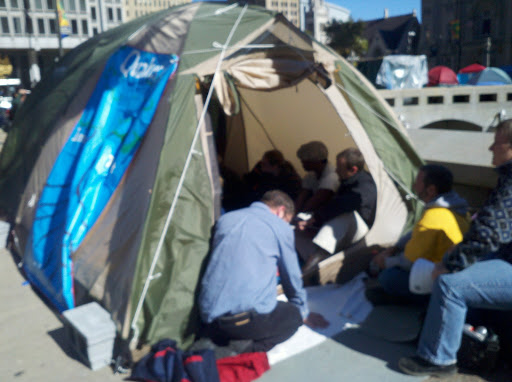
I briefly sat in on the Quaker/Interfaith tent, where a meet­ing was going. I could­n’t hear much but the main issue of busi­ness was how open an inter­faith speak­er’s series should be. I did­n’t have too much time so I qui­et­ly slipped off after­wards to take more pic­tures of Occu­py. #blog

In album Occu­py Philly, 10/25 lunchtime #occu­pyphilly (7 photos)

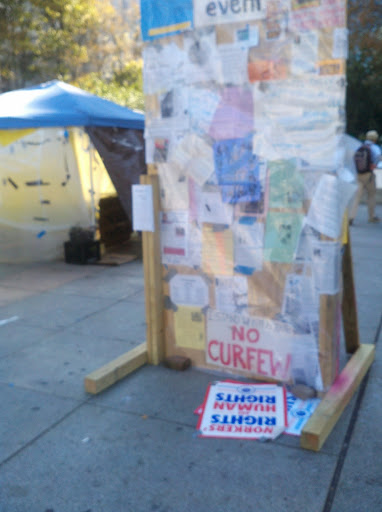
Part of the “Idea Wall”

blank

blank

blank

blank

Google+: View post on Google+

Steve Jobs on his major mistake during Apple’s troubled years: “Letting…

October 23, 2011

Reshared post from +Tim O’Reil­ly

Steve Jobs on his major mis­take dur­ing Apple’s trou­bled years: “Let­ting prof­itabil­i­ty out­weigh pas­sion” http://​huff​.to/​n​N​H​jGY #dit­to (a tweet by @stevecase) struck home for me, because in the after­math of Jobs’ death I’ve been think­ing a lot about O’Reil­ly, want­i­ng to make sure that we stream­line and focus on the stuff that mat­ters most.

Here’s the mon­ey quote from the article:

“My pas­sion has been to build an endur­ing com­pa­ny where peo­ple were moti­vat­ed to make great prod­ucts,” Jobs told Isaac­son. “[T]he prod­ucts, not the prof­its, were the moti­va­tion. Scul­ley flipped these pri­or­i­ties to where the goal was to make mon­ey. It’s a sub­tle dif­fer­ence, but it ends up mean­ing everything.”

Jobs went on to describe the lega­cy he hoped he would leave behind, “a com­pa­ny that will still stand for some­thing a gen­er­a­tion or two from now.”

“That’s what Walt Dis­ney did,” said Jobs, “and Hewlett and Packard, and the peo­ple who built Intel. They cre­at­ed a com­pa­ny to last, not just to make mon­ey. That’s what I want Apple to be.“
All of our great­est work at O’Reil­ly has been dri­ven by pas­sion and ide­al­ism. That includes our ear­ly for­ays into pub­lish­ing, when we were a doc­u­men­ta­tion con­sult­ing com­pa­ny to pay the bills but wrote doc­u­men­ta­tion on the side for pro­grams we used that did­n’t have any good man­u­als. It was those man­u­als, on top­ics that no exist­ing tech pub­lish­er thought were impor­tant, that turned us into a tech pub­lish­er “who came out of nowhere.”

In the ear­ly days of the web, we were so excit­ed about it that +Dale Dougher­ty want­ed to cre­ate an online mag­a­zine to cel­e­brate the peo­ple behind it. That mor­phed into GNN, the Glob­al Net­work Nav­i­ga­tor, the web’s first por­tal and first com­mer­cial ad-supported site.

In the mid-90s, real­iz­ing that no one was talk­ing about the pro­grams that were behind all our most suc­cess­ful books, I brought togeth­er a col­lec­tion of free soft­ware lead­ers (many of whom had nev­er met each oth­er) to brain­storm a com­mon sto­ry. That sto­ry rede­fined free soft­ware as open source, and the world has­n’t been the same since. It also led to a new busi­ness for O’Reil­ly, as we launched our con­fer­ence busi­ness to help bring vis­i­bil­i­ty to these projects, which had no com­pa­ny mar­ket­ing behind them.

Think­ing deeply about open source and the inter­net got me think­ing big ideas about the inter­net as oper­at­ing sys­tem, and the shift of influ­ence from soft­ware to net­work effects in data as the key to future appli­ca­tions. I was fol­low­ing peo­ple who at the time seemed “crazy” — but they were just liv­ing in a future that had­n’t arrived for the rest of the world yet. It was around this time that I for­mu­lat­ed our com­pa­ny mis­sion of “chang­ing the world by spread­ing the knowl­edge of innovators.”

In 2003, in the dark days after the dot com bust, our com­pa­ny goal for the year was to reignite enthu­si­asm in the com­put­er busi­ness. Two out­comes of that effort did just that: +Sara Winge ‘s cre­ation of Foo Camp spawned a world­wide, grass­roots move­ment of self-organizing “uncon­fer­ences,” and our Web 2.0 Con­fer­ence told a big sto­ry about where the net was going and what dis­tin­guished the com­pa­nies that sur­vived the dot­com bust from those that pre­ced­ed it. 

In 2005, see­ing the pas­sion that was dri­ving garage inven­tors to a new kind of hard­ware inno­va­tion, Dale once again want­ed to launch a mag­a­zine to cel­e­brate the pas­sion­ate peo­ple behind the move­ment. This time, it was a mag­a­zine: Make: (http://​makezine​.com), and a year lat­er, we launched Mak­er Faire (http://​mak​er​faire​.com) as a com­pan­ion event. 150,000 peo­ple attend­ed Mak­er Faires last year, and the next gen­er­a­tion of star­tups is emerg­ing from the fer­ment of the move­ment that Dale named.

Mean­while, through those dark years after the dot­com bust, we also did a lot of pub­lish­ing just to keep the com­pa­ny afloat. (With a small data sci­ence team at O’Reil­ly, we built a set of ana­lyt­i­cal tools that helped us under­stand the untapped oppor­tu­ni­ties in com­put­er book pub­lish­ing. We real­ized that we were play­ing in only about 2/5 of the mar­ket; mov­ing into oth­er areas that we had nev­er been drawn to helped pay the bills, but nev­er sparked the kind of cre­ativ­i­ty as the areas that we’d found by fol­low­ing our passion.)

It was at this time that I for­mu­lat­ed an image that I’ve used many times since: prof­it in a busi­ness is like gas in a car. You don’t want to run out of gas, but nei­ther do you want to think that your road trip is a tour of gas stations.

When I think about the great per­sis­tence of Steve Jobs, there’s a les­son for all of us in it.

What’s so great about the Apple sto­ry is that Steve end­ed up mak­ing enor­mous amounts of mon­ey with­out mak­ing it a pri­ma­ry goal of the com­pa­ny. (Dit­to Lar­ry and Sergey at Google.) Con­trast that with the folks who brought us the 2008 finan­cial cri­sis, who were focused only on mak­ing mon­ey for them­selves, while tak­ing advan­tage of oth­ers in the process.

Mak­ing mon­ey through true val­ue cre­ation dri­ven by the desire to make great things that last, and make the world a bet­ter place — that’s the heart of what is best in cap­i­tal­ism. (See also the won­der­ful HBR blog post, Steve Jobs and the Pur­pose of the Cor­po­ra­tion. http://​blogs​.hbr​.org/​c​s​/​2​0​1​1​/​1​0​/​s​t​e​v​e​_​j​o​b​s​_​a​n​d​_​t​h​e​_​p​u​r​p​o​s​e​_​o​f​.​h​tml I also got a lot of per­spec­tive on this top­ic from +Lean­der Kah­ney’s book, Inside Steve’s Brain http://​www​.ama​zon​.com/​I​n​s​i​d​e​-​S​t​e​v​e​s​-​B​r​a​i​n​-​L​e​a​n​d​e​r​-​K​a​h​n​e​y​/​d​p​/​1​5​9​1​8​4​1​984 )

Embed­ded Link

blank

What Steve Jobs Learned From His Biggest Failure
Wal­ter Isaac­son’s autho­rized biog­ra­phy of Steve Jobs traces the Apple co-founder’s career in Sil­i­con Val­ley – from its soar­ing highs to its crush­ing lows. Jobs has been hailed as a tech vision­ary, but … 

Google+: View post on Google+

Places like St Mary’s

February 23, 2011

I’m writ­ing this from the back of St Mary’s Roman Catholic Church, a small church built in the 1920s in the small cross­roads town of Mala­ga New Jer­sey. It was closed this past Novem­ber, sup­pos­ed­ly because of a bro­ken boil­er but real­ly because the Dio­cese of Cam­den is try­ing to sell off its small­er church­es – or any church with prime real estate along a high­way. It was reopened with­out per­mis­sion by parish­ioners in ear­ly Jan­u­ary, while we were still in the hos­pi­tal with baby num­ber three, a.k.a. Gregory.

blankWe’ve spent a lot of time here since then. It’s a 24 hour vig­il and has been and will con­tin­ue to be. In Boston there are vig­ils that have been going sev­en years. I try to imag­ine Gre­go­ry as a sev­en year old, hav­ing spent his child­hood grow­ing up here in this lit­tle church. It’s not an impos­si­ble scenario.

I also spend a lot of time talk­ing with the faith­ful Catholics who have come here to pro­tect the church. It’s a cacoph­o­ny of voic­es right now – con­ver­sa­tions about the church, sure, but that’s only one of the many top­ics that come up. Peo­ple are shar­ing their lives – sto­ries about grow­ing up, about peo­ple that are know, about cur­rent events… It’s a real com­mu­ni­ty. We’ve been attend­ing this church for years but it’s now that I’m real­ly get­ting to know everyone.

blankI some­times pon­der how I, the self-dubbed “Quak­er Ranter,” got involved in all of this. Through my wife, of course – she grew up Catholic, became a Friend for eleven years and then “returned to the Church” a few years after our mar­riage. But there’s more than that, rea­sons why I spend my own time here. Part is my love of the small and quirky. St Mary’s parish­ioners are stand­ing up for the kind of church­es where peo­ple know each oth­er. In an era where menial tasks are hired out, the actu­al mem­bers of St. Marys tend the church’s rosary gar­den and clean its base­ment and toi­lets. They spend time in the church beyond the hour of mass, doing things like pray­ing the rosary or adoration.

The powers-that-be that want St Mary’s closed so bad­ly want a large inper­son­al church with lots of pro­fes­sion­al­ized ser­vices and a least-common-denominator faith where peo­ple come, go and donate their mon­ey to a dio­cese that’s run like a busi­ness. But that’s not St. Mary’s. There’s his­to­ry here. This is a hub of a town, an ancient cross­roads, but the bish­op wants big church­es in the splurge of sub­ur­ban sprawl. Even we Friends need places like St Mary’s in the world.

Lessons in Social Media from Egyptian Protesters

February 15, 2011

A few days ago the NYTimes ran a fas­ci­nat­ing ear­ly look-back at the rela­tion­ship between social media and the largely-nonviolent rev­o­lu­tion in Egypt writ­ten by David D Kirk­patrick and David E Sanger. I doubt we’ve seen the last twist and turn of this tumul­tuous time but as I write this, the world sighs relief that long­time auto­crat Hos­ni Mubarak is final­ly out. Most of the quotes and inside knowl­ege came via Ahmed Maher, a 30-year-old civ­il engi­neer and a lead­ing orga­niz­er of the April 6 Youth Move­ment, who became an activist in 2005.

Les­son One: Years in the Making

blankThe Times starts off by point­ing out that the “blog­gers lead the way” and that the “Egypt­ian revolt was years in the mak­ing.” It’s impor­tant to remem­ber that these things don’t come out of nowhere. Blog­gers have been active for years: lead­ing, learn­ing, mak­ing mis­takes and col­lect­ing knowl­edge. Many of the first round of blog­gers were ignored and repressed. Some of them were effec­tive­ly neu­tral­ized when they were co-opted into what the Times calls “the timid, legal­ly rec­og­nized oppo­si­tion par­ties.” “What destroyed the move­ment was the old par­ties,” said one blog­ger. A les­son we might draw for that is that blog­ging isn’t nec­es­sar­i­ly a step­ping stone to “real activism” but is instead it’s own kind of activism. The cul­ture of blogs and main­stream move­ments are not always compatible.

Les­son Two: Share Your Experiences

The Egypt­ian protests began after ones in Tunisia. The con­text was not the same: “The Tunisians faced a more per­va­sive police state than the Egyp­tians, with less lat­i­tude for blog­ging or press free­dom, but their trade unions were stronger and more inde­pen­dent.” Still, it was impor­tant to share tips: “We shared our expe­ri­ence with strikes and blog­ging,” a blog­ger recalled. Some of the tips were exceed­ing­ly prac­ti­cal (how to avert tear gas – brought lemons, onions and vine­gar, appar­ent­ly) and oth­ers more social (shar­ing tor­ture expe­ri­ences). Les­son: we all have many things to learn. It’s best to be ready for counter-tactics.

blankOne of the inter­est­ing side­lights was how the teach­ings of Amer­i­can non­vi­o­lence strate­gist Gene Sharp made it to Cairo. A Ser­bian youth move­ment had based their rebel­lion on his tac­tics and the Egyp­tians fol­lowed their lead, with exiled orga­niz­ers set­ting up a web­site (warn­ing: annoy­ing sound) com­pil­ing Sharp’s strategies:

For their part, Mr. Maher and his col­leagues began read­ing about non­vi­o­lent strug­gles. They were espe­cial­ly drawn to a Ser­bian youth move­ment called Otpor, which had helped top­ple the dic­ta­tor Slo­bo­dan Milo­se­vic by draw­ing on the ideas of an Amer­i­can polit­i­cal thinker, Gene Sharp. The hall­mark of Mr. Sharp’s work is well-tailored to Mr. Mubark’s Egypt: He argues that non­vi­o­lence is a sin­gu­lar­ly effec­tive way to under­mine police states that might cite vio­lent resis­tance to jus­ti­fy repres­sion in the name of stability.

As an aside, I have to say that as a longterm peace activist, it tick­les me no end to see Gene Sharp’s ideas at the heart of the Egypt­ian protests. Amer­i­ca real­ly can export democ­ra­cy sometimes!

Les­son Three: Be Relent­less in Con­fronting Lies

The Times reports that Maher “took spe­cial aim at the dis­tor­tions of the offi­cial media.” He told them that when peo­ple “dis­trust the media then you know you are not going to lose them. When the press is full of lies, social media takes on the fact check­ing role. Peo­ple turn to inde­pen­dent sources when they sense a pro­pa­gan­da machine. The cre­ator of a Face­book site was a Google mar­ket­ing exec­u­tive work­ing on his own. He filled the site We Are all Khaled Said “with video clips and news­pa­per arti­cles [and] repeat­ed­ly ham­mered home a sim­ple message.”

Les­son Four: Don’t Wait for Those Sup­posed To Do This Work

Most of this social media was cre­at­ed by stu­dents for good­ness sake and it all relied on essentially-free ser­vices. Every­one’s always thought that if Egypt were to explode it would be the dreaded-but-popular Mus­lim Broth­er­hood that would lead the charge. But they did­n’t. They scram­bled not know­ing what to do as protests erupt­ed in the major cities. Even­tu­al­ly the Broth­er­hood’s youth wing joined the protests and the full orga­ni­za­tion fol­lowed suit but it was not the lead­ers in any of this.

blankWhen we’re talk­ing about pop­u­lar orga­ni­zat­ing, mon­ey and estab­lished cre­den­tials aren’t always an advan­tage. What’s inter­est­ing to learn with the Egypt protests is that the gen­er­a­tion lead­ing it does­n’t seem to have as strict a reli­gious world­view as its par­ents. This came out most dra­mat­i­cal­ly in the images of Chris­t­ian Egyp­tians pro­tect­ing their Mus­lim broth­ers in Tahir Square dur­ing times of prayer. This is hav­ing ram­i­fi­ca­tion in copy­cat protests in Tehran. Iran­ian lead­ers tried to paint the Egypt­ian stu­dents as heirs to their own Islam­ic rev­o­lu­tion but it seems prac­ti­cal con­sid­er­a­tions are more impor­tant than set­ting up an Islamist state (stay tuned on this one – protests have begun in Tehran on one hand and the Mus­lim Broth­er­hood might well take over from Egypt pro­test­ers now that Mubarak is out).

On a per­son­al note…

blankIt’s inter­est­ing to watch how the three-year old Save St Mary’s cam­paign has mim­ic­ked some of the fea­tures of the Egypt­ian protests. Their blog has been pret­ty relent­less in expos­ing the lies. It’s attract­ed far more media atten­tion than the professionally-staffed Dioce­san press office has been able to muster. There’s been a lot of behind-the-scenes talk­ing with church­es in oth­er regions to com­pare tac­tics and antic­i­pate counter-moves. As far as I know it’s one of sev­en church­es nation­wide with round-the-clock vig­ils but it’s the only one with a strong social media com­po­nent. It’s aver­age age is prob­a­bly a gen­er­a­tion or two younger than the oth­er vig­ils which gives it a cer­tain frank style that’s not found else­where. The Philadel­phia Arch­dio­cese is explod­ing now with arrests of recent Dioce­san offi­cials and rev­e­la­tions from the Dis­trict Attore­ny that dozens of priests with “cred­i­ble accu­sa­tions” of pedophil­ia are still min­is­ter­ing around kids and while church clos­ings and the pedophil­ia scan­dals are not offi­cial­ly con­nect­ed, as a non-Catholic I’m fine admit­ting that they arise from a shared Dioce­san cul­ture of mon­ey and cover-ups. Again, “repeat­ing­ly ham­mer­ing home a sim­ple mes­sage” is a good strategy.