Future of Quaker media at Pendle Hill next month

April 27, 2012

I’m part of a dis­cus­sion at the Pen­dle Hill con­fer­ence cen­ter out­side Philadel­phia next month. Every­one’s invit­ed. It’s a rare chance to real­ly bring a lot of dif­fer­ent read­ers and media pro­duc­ers (offi­cial and DIY) togeth­er into the same room to map out where Quak­er media is head­ed. If you’re a pas­sion­ate read­er or think that Quak­er pub­li­ca­tions are vital to our spir­i­tu­al move­ment, then do try to make it out.

Youtube, Twit­ter, pod­casts, blogs, books. Where’s it all going and who’s doing it? How does it tie back to Quak­erism? What does it mean for Friends and our insti­tu­tions? Join pan­elists Charles Mar­tin, Gabriel Ehri and Mar­tin Kel­ley, along with Quak­er pub­lish­ers and writ­ers from around the world, and read­ers and media enthu­si­asts, for a wide-ranging dis­cus­sion about the future of Quak­er media.

We will begin with some wor­ship at 7.00pm If you’d like a deli­cious Pen­dle Hill din­ner before­hand please reply to the Face­book event wall (see http://​on​.fb​.me/​q​u​a​k​e​r​m​e​dia). Din­ner is at 6.00pm and will cost $12.50

This is part of this year’s Quak­ers Unit­ing in Pub­li­ca­tions con­fer­ence. QUIP has been hav­ing to re-imagine its role over the last ten years as so many of its anchor pub­lish­ers and book­stores have closed. I have a big con­cern that a lot of online Quak­er mate­r­i­al is being pro­duced by non-Quakers and/or in ways that aren’t real­ly root­ed in typ­i­cal Quak­er process­es. Maybe we can talk about that some at Pen­dle Hill.

Missionary zeal vs international fellowship

April 13, 2012

On a late lunch, just fin­ished “Con­flict­ing Views on For­eign Mis­sions: The Mis­sion Board of Philadel­phia Year­ly Meet­ing of Freinds in the 1920s” by Tesuko Toda from the Fall 2011 issue of Quak­er His­to­ry.

Sounds like a page turn­er, right? But it’s inter­est­ing his­to­ry that’s still res­onat­ing. Toda’s piece sheds light on a gen­er­a­tional sea change that hap­pened among the evangelical-leaning sub­set of Philadel­phia Friends (a minor­i­ty of the Ortho­dox year­ly meeting):

When the sto­ry begins, Friends inter­est­ed in mis­sion work have to orga­nize inde­pen­dent of the year­ly meet­ing. Over time they come into the fold but it’s right when younger Friends are giv­ing up the idea of bring­ing Chris­tian­i­ty to the hea­thens for the idea of inter­na­tion­al fel­low­ship (a sim­i­lar atti­tude change was hap­pen­ing through­out Protes­tant denom­i­na­tions).  Toda writes:

Young Philadel­phi­an Friends did sup­port for­eign mis­sions, but did not sup­port con­ven­tion­al ones. Actu­al­ly, none of them approved of for­eign mis­sions aimed at con­ver­sion. Although some point­ed out the advan­tages of Friends mis­sions, no one insist­ed on denom­i­na­tion­al mis­sions. What kind of for­eign mis­sions did young Philadel­phia Friends think was suit­able for the new era (the 1920s), then? The first point to be not­ed is that young Philadel­phia Friends unan­i­mous­ly had a neg­a­tive view of tra­di­tion­al missionaries.

There’s a lot of back-and-forth in the group but it final­ly fun­nelled its ener­gies into the still-new Amer­i­can Friends Ser­vice Com­mit­tee. The AFSC had been set up to sup­port con­sci­en­tious objec­tors in World War I and there was no expec­tion that it might con­tin­ue after the war. That it did was because it bet­ter rep­re­sent­ed the inter­na­tion fel­low­ship model.

I’m not going to write a full review but those of you inter­est­ed in the soci­o­log­i­cal his­to­ry of that kind of bold, “let’s change the world” ener­gy in Friends should look it up, as should those curi­ous about how gen­er­a­tional shifts some­times play out in year­ly meet­ing politics.

Resurrection with the Cross and Rabbi

April 11, 2012

Of course, that is not the part of the sto­ry that moti­vates me. I am not seek­ing to be abused and betrayed, let down by my best friends and hunt­ed by those in pow­er. I may rec­og­nize the neces­si­ty of suf­fer­ing, but by no means do I seek it out. I think most of us grav­i­tate towards the tri­umphant vic­to­ry and joy of Jesus\’ resurrection

    <p><strong>Tags:</strong>

        <a href=\"http://www.diigo.com/user/martinkelley/Quaker\" rel=\"tag\">Quaker</a>

        <a href=\"http://www.diigo.com/user/martinkelley/blog\" rel=\"tag\">blog</a>

Outreach as Retention

April 9, 2012

From Cal­lid Keefe-Perry, a vlog entry on the appar­ent dis­crep­ancy between what Friends think they want to be doing (out­reach) ver­sus what they think makes for a healthy meet­ing (deep wor­ship), as indi­cat­ed by a just-released sur­vey from Friends Gen­er­al Con­fer­ence, the umbrel­la orga­ni­za­tion for many of North Amer­i­ca’s Lib­er­al Friends.


Cal­lid says:

there’s a dis­con­nect between deep wor­ship as a mark of health, and out­reach as the most impor­tant thing to do. We try as peo­ple to make things hap­pen that are beyond our con­trol. If we real­ly attend­ed to deep wor­ship, if we attend­ed to root­ing our com­mu­nies in a sense of dis­ci­ple­ship and dis­ci­pline, then out­reach and care for com­mu­ni­ty, and lead­ing by exam­ple would come from that. Those things are fruits; their root is liv­ing in the pres­ence, liv­ing in gospel order. I’m con­cerned that in the hus­tle and bus­tle of out­reach and mak­ing things work we might miss that still small voice. [Loose tran­script, light­ly edited]

There is much we can do to pro­mote com­mu­ni­ty aware­ness of Friends (aka “out­reach”), but I sus­pect the great­est effect of our efforts is inter­nal – rais­ing our own con­scious­ness about how to be vis­i­ble and wel­com­ing. Friends are always get­ting free pub­lic­i­ty (just this morn­ing I fin­ished Jef­frey Eugenides’s The Mar­riage Plot, whose final pages are prac­ti­cal­ly an ad for our reli­gious soci­ety, and there’s the seeker-producing mill of the Belief-o-Matic Quiz). What if vis­i­bil­i­ty isn’t our biggest prob­lem? Cal­lid’s post reminds me of some­thing that Robin Mohr said when I inter­viewed her “Eight Ques­tions on Con­ver­gent Friends” for Friends Jour­nal:

Though it may be dif­fer­ent in oth­er places, San Fran­cis­co always had peo­ple vis­it­ing; there was no short­age of new vis­i­tors. The key was get­ting them to come back… I don’t think the Con­ver­gent Friends move­ment is nec­es­sar­i­ly going to solve our out­reach issues, but it can absolute­ly change the reten­tion rate.

What if we thought of out­reach as a reten­tion issue? How would it relate to the “deep wor­ship” the survey-takers lift­ed up?

Russian Old Believers in Millville NJ

March 13, 2012

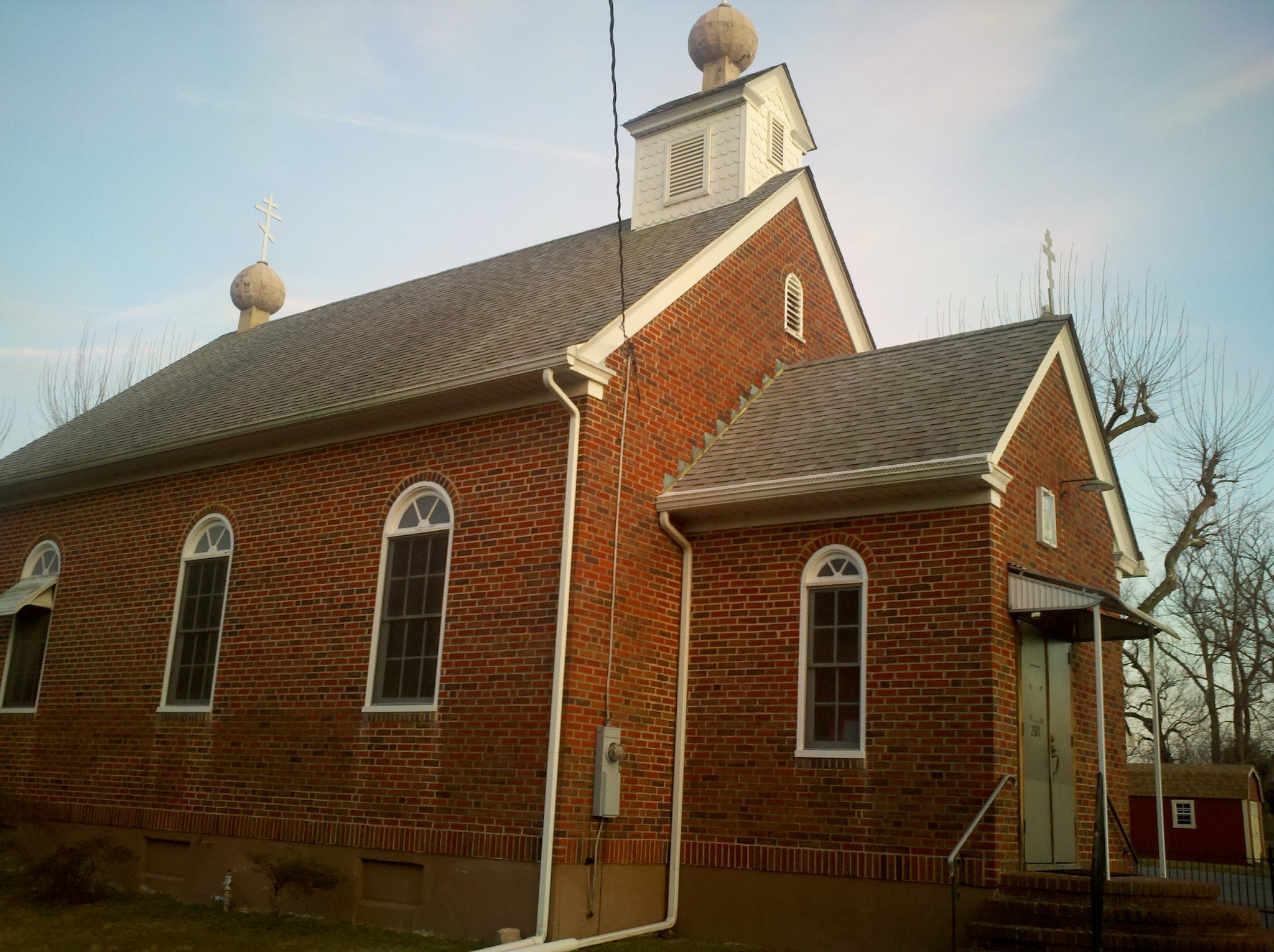
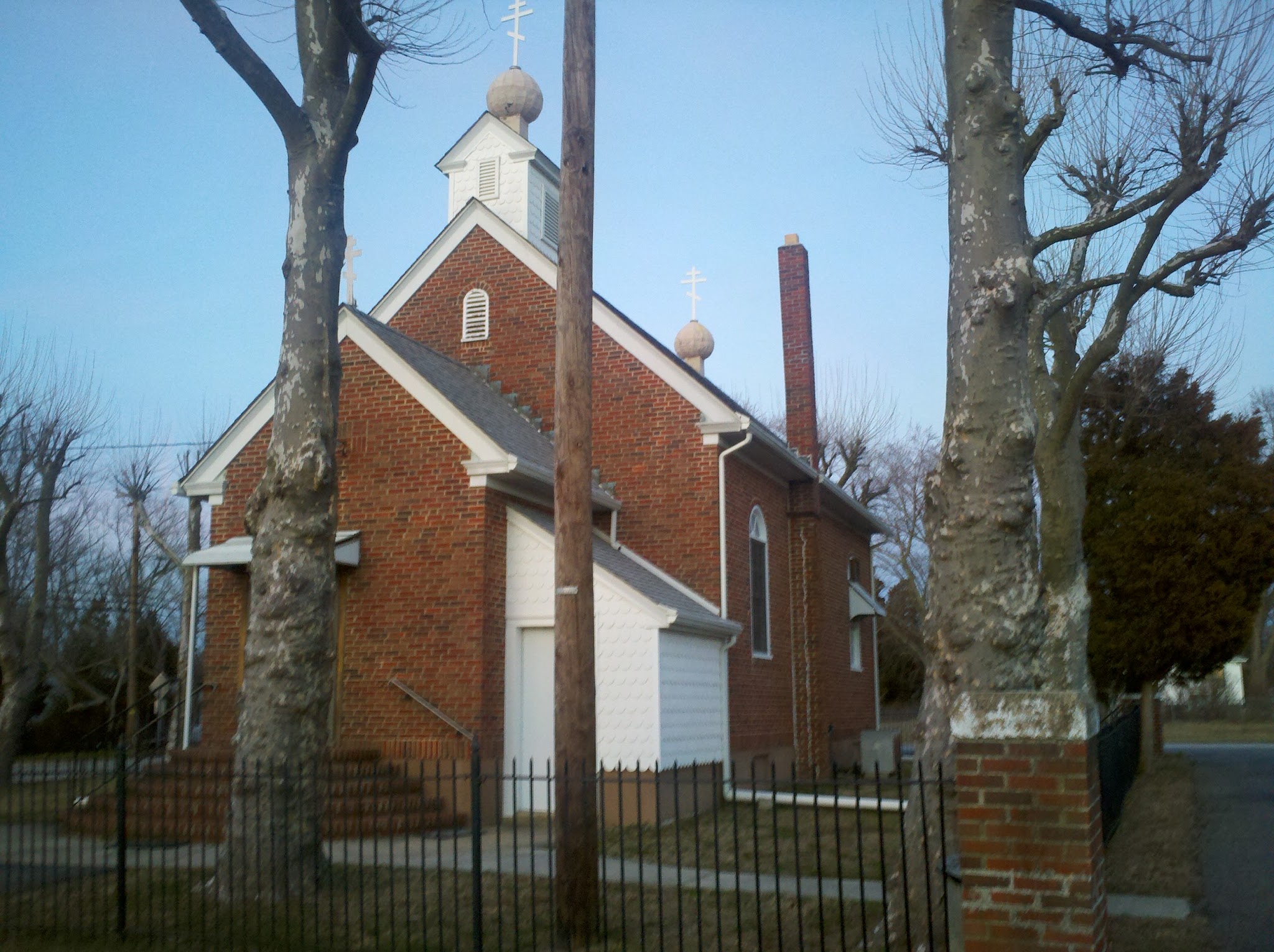
A few weeks ago we were con­tact­ed by some­one from the St Nicholas Cen­ter (http://​www​.stni​cholas​cen​ter​.org) ask­ing if they could use some pho­tos I had tak­en of the church my wife is attend­ing, Mil­lville N.J.‘s St Nicholas Ukrain­ian Catholic. Of course I said yes. But then my cor­re­spon­dent asked if I could take pic­tures of anoth­er church she had heard of: St Nicholas Old Believ­er’s Church. It’s on the oth­er side of Mil­lville from our St Nick­’s, on an ancient road that dead ends in woods. We had to visit.

The Old Believ­ers have a fas­ci­nat­ing his­to­ry. They were Russ­ian Ortho­dox Chris­tians who refused to com­ply with litur­gi­cal changes man­dat­ed by the Patri­arch and Czar in the 1650s. As usu­al, there was a lot of pol­i­tics involved, with the Czar want­i­ng to cozy up with the Greek Ortho­dox to ally Rus­sia against the Mus­lim Ottomans, etc., etc. The the­o­log­i­cal charge was that the Greek tra­di­tions were the stan­dard and Russ­ian dif­fer­ences latter-day inno­va­tions to be stamped out (more mod­ern research has found the Rus­sians actu­al­ly were clos­er to the old­er forms, but no mat­ter: what the Czar and Patri­arch want, the Czar and Patri­arch get). The old prac­tices were banned, begin­ning hun­dreds of years of state-sponsored per­se­cu­tion for the “Old Believ­ers.” The sur­vivors scat­tered to the four cor­ners of the Russ­ian empire and beyond, keep­ing a low pro­file wher­ev­er they went.

The Old Believ­ers have a fas­ci­nat­ing frac­tured his­to­ry. Because their priests were killed off in the sev­en­teenth cen­tu­ry, they lost their claims of apos­tolic suc­ces­sion – the idea that there’s an unbro­ken line of ordi­na­tion from Jesus Christ him­self. Some Old Believ­ers found work-arounds or claimed a few priests were spared but the hard­core among them declared suc­ces­sion over, sig­nal­ing the end times and the fall of the Church. They became priest­less Old Believ­ers – so defen­sive of the old litur­gy that they were will­ing to lose most of the litur­gy. They’ve scat­tered around the world, often wear­ing plain dress and liv­ing in iso­lat­ed communities.

The Old Believ­ers church in Mil­lville has no signs, no web­site, no indi­ca­tion of what it is (a life­long mem­ber of “our” St Nick­’s called it mys­te­ri­ous and said he lit­tle about it of it). From a few inter­net ref­er­ences, they appear to be the priest­less kind of Old Believ­ers. But it has its own dis­tinc­tions: appar­ent­ly one of the great­est icono­g­ra­phers of the twen­ti­eth cen­tu­ry lived and wor­shipped there, and when famed Russ­ian polit­i­cal pris­on­er Alek­san­dr Solzhen­it­syn vis­it­ed the U.S. he made a point of speak­ing at this sign­less church on a dead end road.

Links:
* Wikipedia: http://​en​.wikipedia​.org/​w​i​k​i​/​O​l​d​_​B​e​l​i​e​v​ers
* Account of US Lithuan­ian Bespopovt­sy com­mu­ni­ties: http://​www​.synax​is​.info/​o​l​d​-​r​i​t​e​/​0​_​o​l​d​b​e​l​i​e​f​/​h​i​s​t​o​r​y​_​e​n​g​/​n​i​c​o​l​l​.​h​tml
* OSU Library on icono­g­ra­ph­er Sofronv (PDF): http://​cmrs​.osu​.edu/​r​c​m​s​s​/​C​M​H​2​1​c​o​l​o​r​.​pdf
* Solzhen­it­syn’s 1976 vis­it: http://www.freerepublic.com/focus/f‑news/2057793/posts

In album St Nicholas Old Believ­ers, Mil­lville NJ (9 photos)


blank


blank


blank


blank


blank


blank


blank


Syrup that Masks the Salt

March 4, 2012

Wor­ship at the Med­ford (N.J.) Meet­ing start­ed this morn­ing with queries for the upcom­ing “Salt and Light” gath­er­ing of world Friends. Med­ford is send­ing a del­e­gate to the Kenyan event, and in prepa­ra­tion they’re read­ing the queries from the Salt and Light mate­r­i­al dur­ing the month of March, along with some pas­sages from the Gospel of Mark(“Salt is good: but if the salt have lost his salt­ness, where­with will ye sea­son it? Have salt in your­selves, and have peace one with anoth­er.” http://​bible​.us/​M​a​r​k​9​.​4​9​.​KJV). I spoke in wor­ship to a recent omis­sion of salt.

blank

A Sat­ur­day rit­u­al in the house­hold is morn­ing pan­cakes. One of the boys likes choco­late chips in his pan­cakes; anoth­er likes vanil­la chips; I myself like blue­ber­ries. What all the pan­cakes have in com­mon is salt: just one and half t‑spoons in the mix­ing bowl is enough to trans­form the batter.

A few Sat­ur­days ago I for­got the salt. The results looked like pan­cakes but when we bit into them we knew they weren’t right. Rather than give them up, we poured them extra-heavy with syrup. Enough syrup masked the bland taste­less­ness of the pan­cakes – the emp­ty form of these almost pan­cakes – and allowed us to eat it.

How many of the reli­gious bod­ies descend­ed from Mark’s ear­ly gospel have masked our salt­less­ness (or a fear of it) with extra heap­ings of syrup? Cer­tain­ly, the cur­rent fash­ion for charis­mat­ic preach­ers and praise rock bands can act as a kind of mask­ing syrup. But there’s all sorts of ways of com­pen­sat­ing for miss­ing salt.

As Jon Watts and Mag­gie Har­ri­son have been remind­ing us though the http://​www​.clothey​our​selfin​right​eous​ness​.com project, ear­ly Friends opt­ed for spir­i­tu­al naked­ness: peo­ple gath­er­ing with­out props or dis­trac­tions, one-on-one and togeth­er wait­ing for the Holy Spir­it to lift up and gath­er the wor­ship. The salt is the Liv­ing Spir­it, here to guide, direct, com­fort and scold. In the qui­et of a Friends meet­ing you’ve either got it or you don’t. We’re work­ing with­out nets and there’s not much room to hide. The ques­tion fac­ing the par­tic­i­pants in Kenya – and the gath­er­ers in every Friends meet­ing­house and church in the world – is whether we have the salt.

There are many types of mask­ing syrup. Even once-radical Friends have found ways to side­step the salt ques­tion, pre-empting the emp­ty naked­ness of our wor­ship with caus­es, busy-ness, his­tor­i­cal fes­tishism, etc. When Friends gath­er in Kenya, I hope they will ask one anoth­er about the salt, the Liv­ing Spir­it. Maybe they can bring back a re-appreciation of naked­ness. For the good news is that Jesus is always ready to bring salt to the sim­plest of meals: “Behold, I stand at the door, and knock: if any man hear my voice, and open the door, I will come in to him, and will sup with him, and he with me.” (http://​bible​.us/​R​e​v​3​.​2​0​.​KJV).

Embed­ded Link

blank

Wel­come to the World Con­fer­ence of Friends 2012 Website

The largest world­wide con­fer­ence of Friends since 1967 comes togeth­er from 17 – 25 April 2012 in Kenya. The theme is Being Salt and Light — Friends liv­ing the King­dom of God in a bro­ken world. One thous…

Naked Leadership on QuakerQuaker This Week

February 26, 2012

On the blogs, Robin Mohr wrote about Friends lead­er­ship and vision and the “Nakedness/You’re Not a Quak­er” respons­es con­tin­ue with two more follow-up’s among this week’s Edi­tor Picks. Else­where, the Mod­ern Quak­ers and Cloth­ing project has been col­lect­ing some great per­son­al sto­ries. And on a house­keep­ing note, dona­tions for Quak­erQuak­er have been pret­ty light late­ly; please con­sid­er help­ing out.

Embed­ded Link

Naked Lead­er­ship? [Quak­erQuak­er This Week, 2/26/12] — QuakerQuaker
Naked Leadership?
On the blogs, Robin Mohr wrote about Friends lead­er­ship and vision and the Nakedness/You’re Not a Quak­er respons­es con­tin­ue with two more f…