A social media snapshot

November 19, 2012

When I first start­ed blog­ging fif­teen years ago, the process was sim­ple. I’d open up a file, hand-edit the HTML code and upload it to a web­serv­er – those were the days! Now every social web ser­vice is like a blog unto itself. The way I have them inter­act is occa­sion­al­ly dizzy­ing even to me. Recent­ly a friend asked on Face­book what peo­ple used Tum­blr for, and I thought it might be a good time to sur­vey my cur­rent web ser­vices. These shift and change con­stant­ly but per­haps oth­ers will find it an inter­est­ing snap­shot of hooked-together media cir­ca 2012.

The glue services you don’t see:

  • Google Read­er. I still try to keep up with about a hun­dred blogs, most­ly spir­i­tu­al in nature. The old tried-and-true Google Read­er still orga­nizes it all, though I often read it through the Android app News­Rob.
  • Diigo. This took the place of the clas­sic social book­mark­ing site Deli­cious when it had a near-death expe­ri­ence a few years ago (it’s nev­er come back in a form that would make me recon­sid­er it). When­ev­er I see some­thing inter­est­ing I want to share, I post it here, where it gets cross-posted to my Twit­ter and Tum­blr sites. I’ve book­marked over 4500 sites over the last seven-plus years. It’s an essen­tial archive that I use for remem­ber­ing sites I’ve liked in the past. Diigo book­marks that are tagged “Quak­er” get sucked into an alter­nate route where they become edi­tor fea­tures for Quak​erQuak​er​.org.
  • Pock­et (for­mer­ly Read it Lat­er). I’m in the envi­able posi­tion that many of my per­son­al inter­ests over­lap with my pro­fes­sion­al work. While work­ing, I’ll often find some inter­est­ing Quak­er arti­cle that I want to read lat­er. Hence Pock­et, a ser­vice that will instant­ly book­mark the site and make it avail­able for lat­er reading.
  • Flip­board is a great mobile app that lets you read arti­cles on top­ics you like. Com­bine it with Twit­ter lists and you have a per­son­al­ized read­ing list. I use this every day, most­ly for blogs and news sites I like to read but don’t con­sid­er so essen­tial that I need to catch every­thing they publish.
  • Ifttt​.com. A handy ser­vice named after the log­i­cal con­struct “IF This, Then That,” Ifttt will take one social feed and cross-post it to anoth­er under var­i­ous con­di­tions. For exam­ple, I have Diigo posts cross-post to Twit­ter and Flickr posts cross­post to Face­book. Some of the Ifttt “recip­ies” are behind the scenes, like the one that takes every post on Word­Press and adds it to my pri­vate Ever­note account for archival purposes.

The Public-Facing Me:

  • Word­Press (Quak​er​ran​ter​.org). The blog you’re read­ing. It orig­i­nal­ly start­ed as a Move­able Type-powered blog when that was the hip blog­ging plat­form (I’m old). A few years ago I went through a painstak­ing process to bring it over to Word­Press in such a way that its Disqus-powered com­ments would be preserved.
  • Twit­ter. I’ve long loved Twit­ter, though like many techies I’m wor­ried about the direc­tion it’s head­ed. They’ve recent­ly locked most of the ser­vices that read Twit­ter feeds and reprocess it. If this weren’t hap­pen­ing, I’d use it as a default chan­nel for just about every­thing. In the mean­time, only about half of my tweets are direct from the ser­vice – the remain­der are auto-imports from Diigo, Insta­gram, etc.
  • Tum­blr (Quack​Quack​.org). I like Tum­blr although my site there (quack​quack​.org) gets very few direct vis­its. I most­ly use it as a “links blog” of inter­est­ing things I find in my inter­net wan­der­ings. Most items come in via Diigo, though if I have time I’ll sup­ple­ment things with my own thoughts or pic­tures. Most peo­ple prob­a­bly see this via the side­bar of the Quak­er­Ran­ter site.
  • Face­book. It may seem I post a lot on Face­book, but 95 per­cent of what goes up there is import­ed from some oth­er ser­vice. But, because more peo­ple are on Face­book than any­where else, it’s the place I get the most com­ments. I gen­er­al­ly use it to reply to com­ments and see what friends are up to. I don’t like Face­book per se because of its pater­nal­ist con­trols on what can be seen and its recent moves to force con­tent providers to pay for vis­i­bil­i­ty for their own fan pages.
  • Flickr. Once the dar­ling of pho­to sites, Flick­r’s been the heart­break of the hip­ster set more times than I can remem­ber. It has a ter­ri­ble mobile app and always lags behind every oth­er ser­vice but I have over 4000 pic­tures going back to 2005. This is my pho­to archive (much more so than the fail­ing disk dri­ves on a suc­ces­sion of laptops).

Honorable Mentions

  • I use Foursquare all the time but I don’t think many peo­ple notice it.
  • Right now, most of my pho­tos start off with the mobile app Insta­gram, handy despite the now-tired con­ceit of its square for­mat (cute when it was the art­sy under­dog, cloy­ing now that it’s the billion-dollar main­stream service).
  • Like most of the plan­et I use Youtube for videos. I like Vimeo but Youtube is par­tic­u­lar­ly con­ve­nient when shoot­ing from a Google-based phone and it’s where the view­ers are.
  • I gave up my old cus­tom site at Mar​tinKel​ley​.com for a Fla​vors​.me account. Its flex­i­bil­i­ty lets me eas­i­ly link to the ser­vices I use.

When I write all this out it seems so com­pli­cat­ed. But the aim is con­ve­nience: a sim­ple few key­strokes that feed into ser­vices dis­sem­i­nate infor­ma­tion across a series of web presences.

Fifteen years of blogging

November 15, 2012

Even I’m a bit shocked by the title of this post. Have I real­ly been blog­ging for fif­teen years? I keep double-checking the math but it keeps adding up. In Novem­ber 1997 I added a fea­ture to my two-year-old peace web­site. I called this new enti­ty Non­vi­o­lence Web Upfront and updat­ed it week­ly with orig­i­nal fea­tures and curat­ed links to the best online paci­fist writ­ing. I wrote a ret­ro­spec­tive of the “ear­ly blog­ging days” in 2005 that talks about how it came about and gives some con­text about the proto-blogs hap­pen­ing back in 1997.

But I could arguably go back fur­ther than 15 years. In col­lege, my friend Brni and I start­ed an alter­na­tive print mag­a­zine called VACUUM. It came out week­ly. It had a mix of opin­ion pieces and news from all over. Famil­iar, huh? Columns were made up from a dot matrix print­er and past­ed down with scotch tape, with head­lines scrawled out with a sharpie. The ethos was there. Next April will mark its Sil­ver Jubilee.

What’s most strik­ing is not the huge leaps of tech­nolo­gies, but the single-mindedness of my pur­suits all these years. There are cross-decade echos of themes and ways of pack­ag­ing pub­li­ca­tions that con­tin­ue in my work as edi­tor of Friends Jour­nal.

The secret decoder ring for Red and Blue states

October 26, 2012

Some­thing that fas­ci­nates me is the sur­pris­ing glimpses of Quak­er influ­ence in the wider world. Back in the Spring I drew out the pos­si­bil­i­ty of a Quak­er con­nec­tion in Pres­i­dent Barack Oba­ma’s so-called “evo­lu­tion” on LGBTQ matters.

This week the New York Times Opin­ion­a­tor blog argues a Quak­er con­nec­tion in the geog­ra­phy of “Red” and “Blue” states – those lean­ing Repub­li­can and Demo­c­ra­t­ic in gen­er­al elec­tions. The sec­ond half of Steven Pinker’s “Why Are States So Red and Blue?” leans on David Hack­ett Fis­cher’s awe­some 1989 book Albion’s Seed. Sub­ti­tled “Four British Folk­ways in Amer­i­ca” it’s a kind of secret decoder ring for Amer­i­can cul­ture and politics.

Fis­ch­er argued that there were four very dif­fer­ent set­tle­ments in the Eng­lish colonies in the Amer­i­c­as and that each put a defin­i­tive and last­ing stamp on the pop­u­la­tions that fol­lowed. I think he’s a bit over-deterministic but it’s still great fun and the the­sis does explain a lot. For exam­ple, the Scot-Irish lived in law­less region along the English-Scottish bor­der, where peo­ple had to defend them­selves; when they crossed the ocean they quick­ly went inland and their cul­tur­al descen­dants like law and order, guns and a judg­men­tal God. Quak­ers from the British mid­lands were anoth­er one of the four groups, coop­er­a­tive and peace-loving, the nat­ur­al pre­cur­sors to Blue states.

Now step back a bit and you real­ize this is incred­i­bly over-simplistic. Many Friends in the Delaware Val­ley and beyond have his­tor­i­cal­ly been Repub­li­can, and many con­tin­ue as such (though they keep qui­et among politically-liberal East Coast Friends). And the cur­rent Demo­c­ra­t­ic pres­i­dent per­son­al­ly approves U.S. assas­si­na­tion lists.

You will be for­giv­en if you’ve clicked to Pinker’s blog post and can’t find Quak­ers. For some bizarre rea­son, he’s stripped reli­gion from Fis­cher’s argu­ment. Why? Polit­i­cal cor­rect­ness? Sim­plic­i­ty of argu­ment. Friends are summed up with the phrase “the North was large­ly set­tled by Eng­lish farm­ers.” Strange.

But despite these caveats, Fis­ch­er is fas­ci­nat­ing and Pinker’s extrap­o­la­tion to today’s polit­i­cal map is well worth a read, even if our con­tri­bu­tion to the dis­tri­b­u­tion of the Amer­i­can map goes un-cited.

Plain like Barack

September 17, 2012

As befits a Quak­er wit­ness, when I felt the nudge to plain­ness ten years ago, I did­n’t quite know where it would take me. I trust­ed the spir­i­tu­al nudges enough to assume there were lessons to learn. I had wit­nessed a God-centering in oth­ers who shared my spir­i­tu­al con­di­tions and I knew from read­ing that plain­ness was a typ­i­cal first step of “infant min­is­ters.” But all I had been giv­en was the invi­ta­tion to walk a par­tic­u­lar path.

After the ini­tial excite­ments, I set­tled into a rou­tine and dis­cov­ered I had lost the “what to wear?!” angst of get­ting dressed in the morn­ings. Gone too was the “who am I?” dra­ma that accom­pa­nied cat­a­log brows­ing. As clothes wore out and were retired, I reduced my clos­et down to a small set of choic­es, all vari­a­tions on one anoth­er. Now when I get dressed I don’t wor­ry about who I will see that day, who I should impress, whether one pair of shoes goes with a cer­tain sweater, etc.

Appar­ent­ly, I share this prac­tice with the forty-fourth pres­i­dent. In “Oba­ma’s Way,” a wide-ranging pro­file in Van­i­ty Fair, Michael Lewis shares the Pres­i­den­t’s atti­tude about clothes:

[He] was will­ing to talk about the mun­dane details of pres­i­den­tial exis­tence… You also need to remove from your life the day-to-day prob­lems that absorb most peo­ple for mean­ing­ful parts of their day. “You’ll see I wear only gray or blue suits,” he said. “I’m try­ing to pare down deci­sions. I don’t want to make deci­sions about what I’m eat­ing or wear­ing. Because I have too many oth­er deci­sions to make.” He men­tioned research that shows the sim­ple act of mak­ing deci­sions degrades one’s abil­i­ty to make fur­ther deci­sions. It’s why shop­ping is so exhaust­ing. “You need to focus your decision-making ener­gy. You need to rou­tinize your­self. You can’t be going through the day dis­tract­ed by trivia.”

A few dis­tract­ing caveats: we can assume Oba­ma’s grey and blue suits are bespoke and cost upwards of a thou­sand dol­lars apiece. He prob­a­bly has a clos­et full of them. He has staff that cleans them, stores them, and lays them out for him in the morn­ing. You won’t find Barack wan­der­ing the aisles of the Capi­tol Hill Macy’s or the Lan­g­ley Hill Men’s Ware­house. Michelle’s nev­er run­ning things to the dry clean­ers, and Sasha and Malia aren’t pair­ing socks from the laun­dry bin after com­ing home from school. A Pres­i­dent Rom­ney’s clos­et would also fea­ture gray and blue (though his under­wear draw­er would be more uncon­ven­tion­al). When pro­to­col calls for the commander-in-chief to devi­ate from suits – to don a tux per­haps – one appears. Pres­i­den­tial plain­ness is far from simple.

The Quak­er move­ment start­ed as an invi­ta­tion to com­mon sense. Every­one could join. Ear­ly Friends were min­i­mal­ists on fire, fear­less in aban­don­ing any­thing that got in the way of spir­i­tu­al truth. In a few short years they method­i­cal­ly worked their way to the same con­clu­sions as a twenty-first cen­tu­ry U.S. pres­i­dent: human decision-making resources are finite; our atten­tion is at a pre­mi­um. If we have a job to do (run a coun­try, wit­ness God’s King­dom), then we should clear our­selves of unnec­es­sary dis­trac­tions to focus on the essen­tials. Those core expe­ri­en­tial truths have last­ing val­ue. As Jef­fer­son might say, they are self-evident, even if they still seem rad­i­cal­ly pecu­liar to the wider world.

Unfor­tu­nate­ly the kind of plain­ness that Barack and I are talk­ing about is a kind of mind-hack, its pow­er large­ly strate­gic. I’d love to see a pres­i­dent take up the chal­lenge of some hard­core Quak­er val­ues. How about the tes­ti­mo­ny against war? Eliza Gur­ney got pret­ty far in cor­re­spon­dence with Oba­ma’s hero, hon­est Abe, but even he punt­ed respon­si­bil­i­ty to divine will. The wit­ness continues.

Cirque in A.C.

September 4, 2012

This past week­end we saw Cirque du Soleil’s tour­ing show Dralion at Atlantic City’s his­toric Board­walk Hall.

I think this was fourth Cirque per­for­mance I’ve seen (though third show, as I’ve seen Walt Dis­ney World’s twice), and it had all the Cirque trade­marks I’ve come to expect. There’s the hal­lu­cino­genic sto­ry­line, East meets West via acro­bats, giant pup­pets, dream crea­tures and clowns you would­n’t want to meet on the prover­bial dark alley. Per­haps care­ful study of the tour guide and/or repeat­ed view­ings would make this clear­er, but I’m con­tent that the tale is a con­ve­nient inspi­ra­tion for per­for­mances and costumes.

I absolute­ly love Cirque’s instance on hav­ing the music per­formed live, as well as the way they have per­form­ers roll on and off the props. Cirque start­ed off as a street show in Que­bec and there’s a lot of that diy anar­chic spir­it that has held on despite the million-dollar revenues.

The tour­ing shows have sim­ple setups that can fit side­ways into stan­dard bas­ket­ball audi­to­ri­ums. It works, but it’s noth­ing like the cus­tom spaces, like the one in Walt Dis­ney World. Still, out was nice to have a local taste of Cirque that fit the bud­get of a spe­cial date (this show dou­bled as our eleventh wed­ding anniversary).

Leav­ing the show we fol­lowed the temp­ta­tion to walk the board­walk, to utter dis­ap­point­ment. Atlantic City’s ocean­front is dom­i­nat­ed by block-long casi­no entrances that long ago replaced the array of small shops you see else­where. Artistry is com­plete­ly absent, with Cirque’s live music in stark con­trast to the over­pow­ered sound sys­tems throw­ing gener­ic dance music out from the edges of the walk. After a block we turned around and head­ed inland to Absec­on’s Mount Fuji for a post-show din­ner. Poor Atlantic City.

Here’s the trail­er for Cirque’s Dralion:

Birding at the Edwin B Forsythe Natl Wildlife Reserve

August 26, 2012
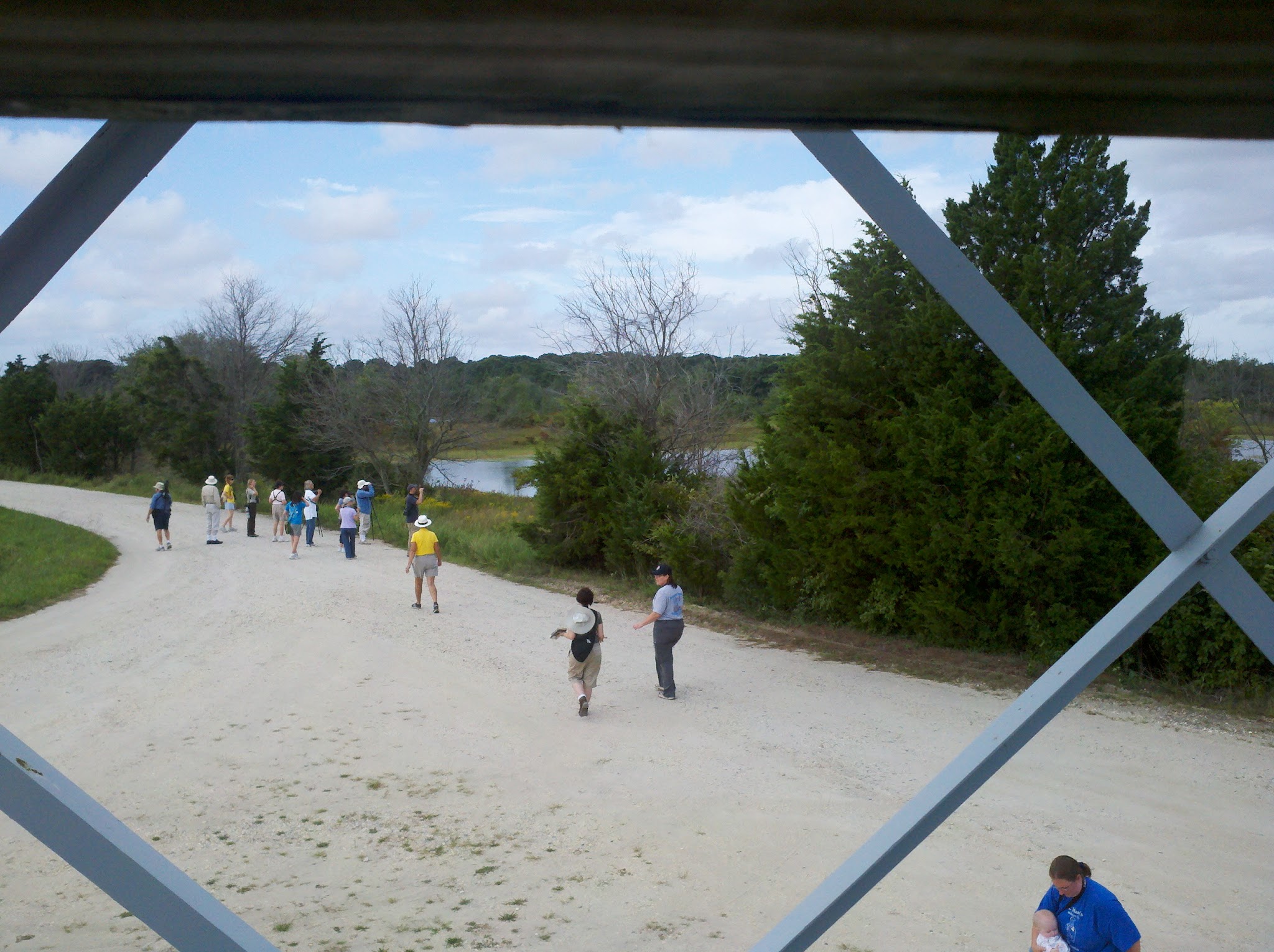
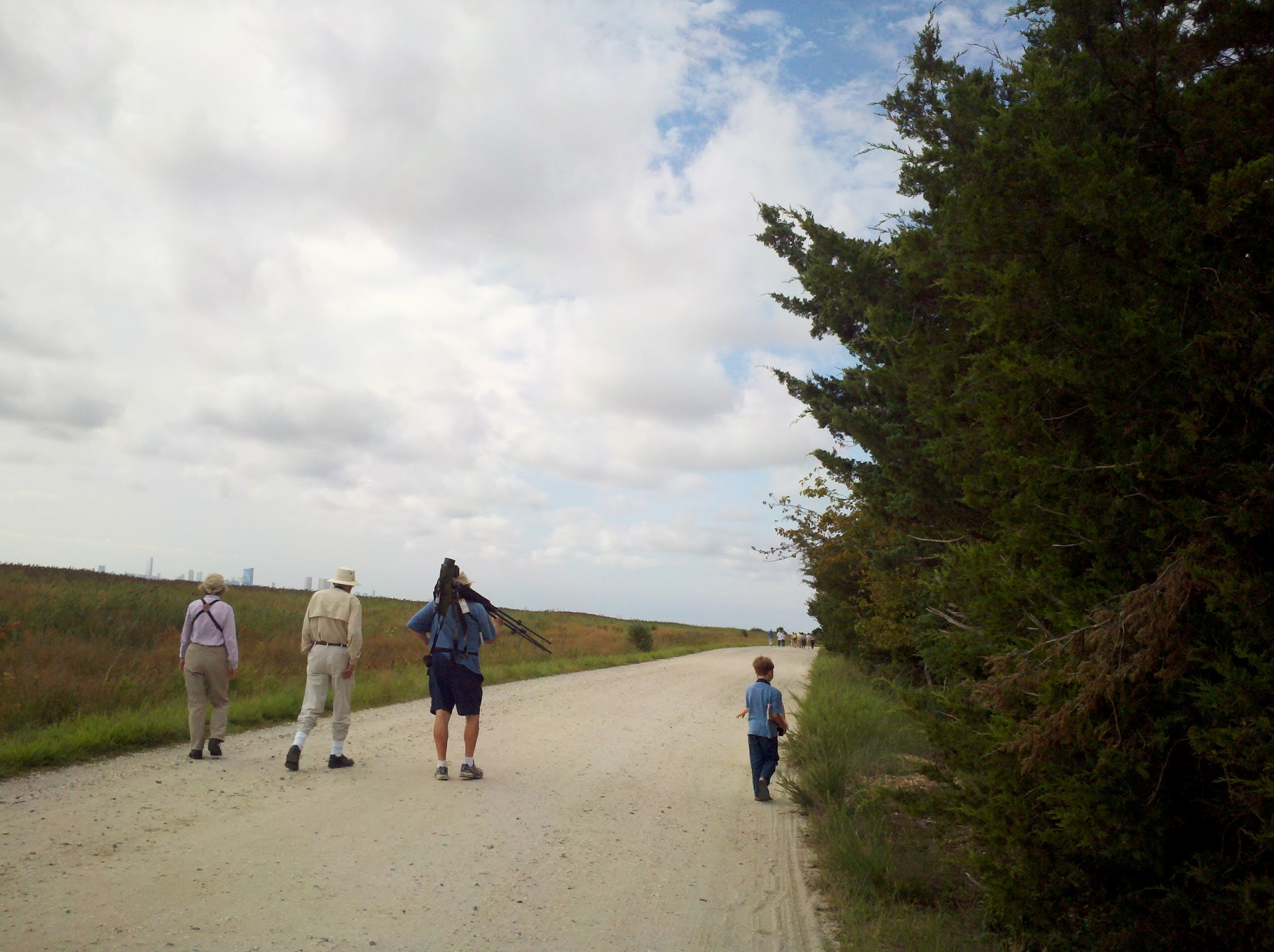
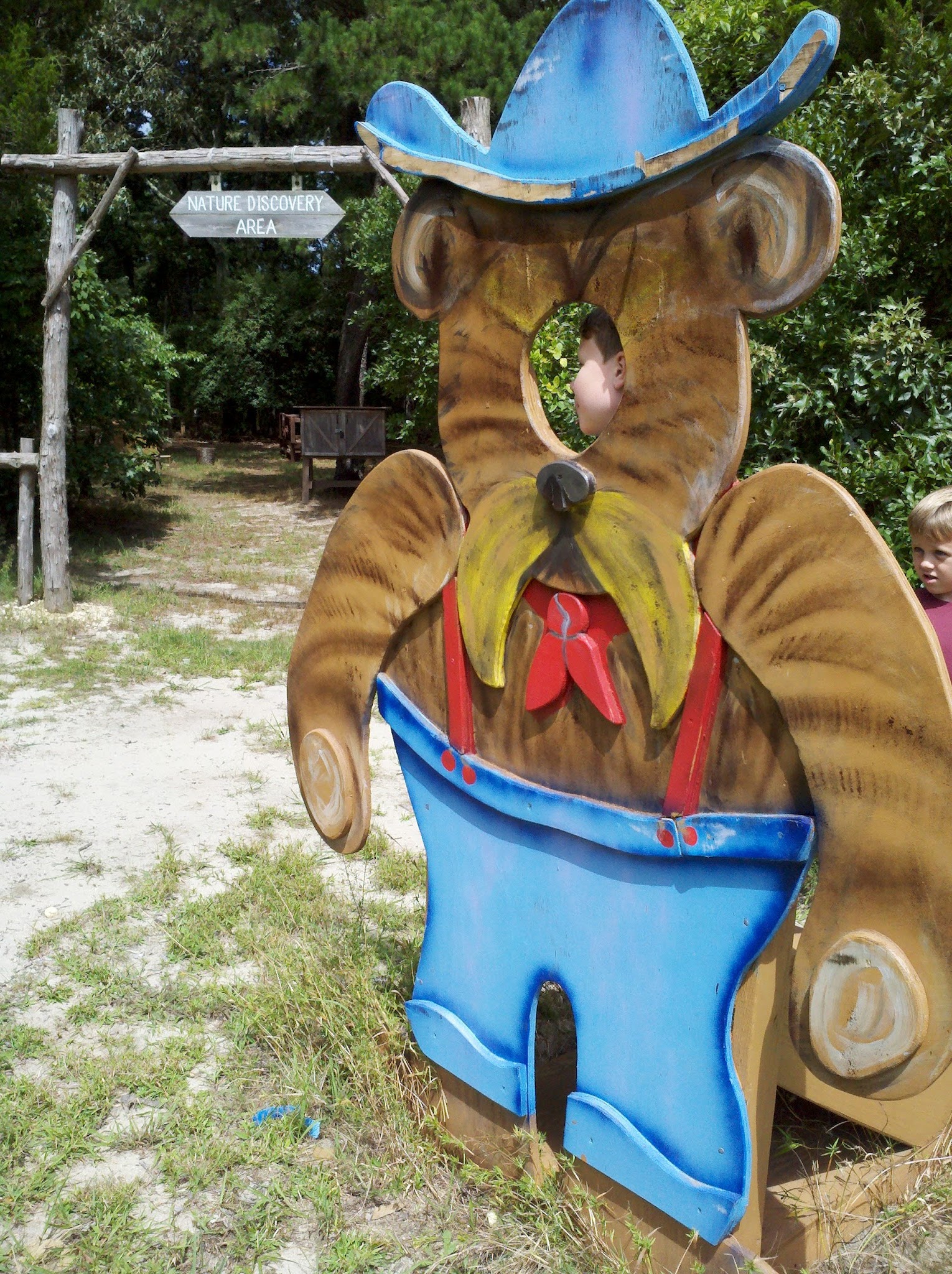
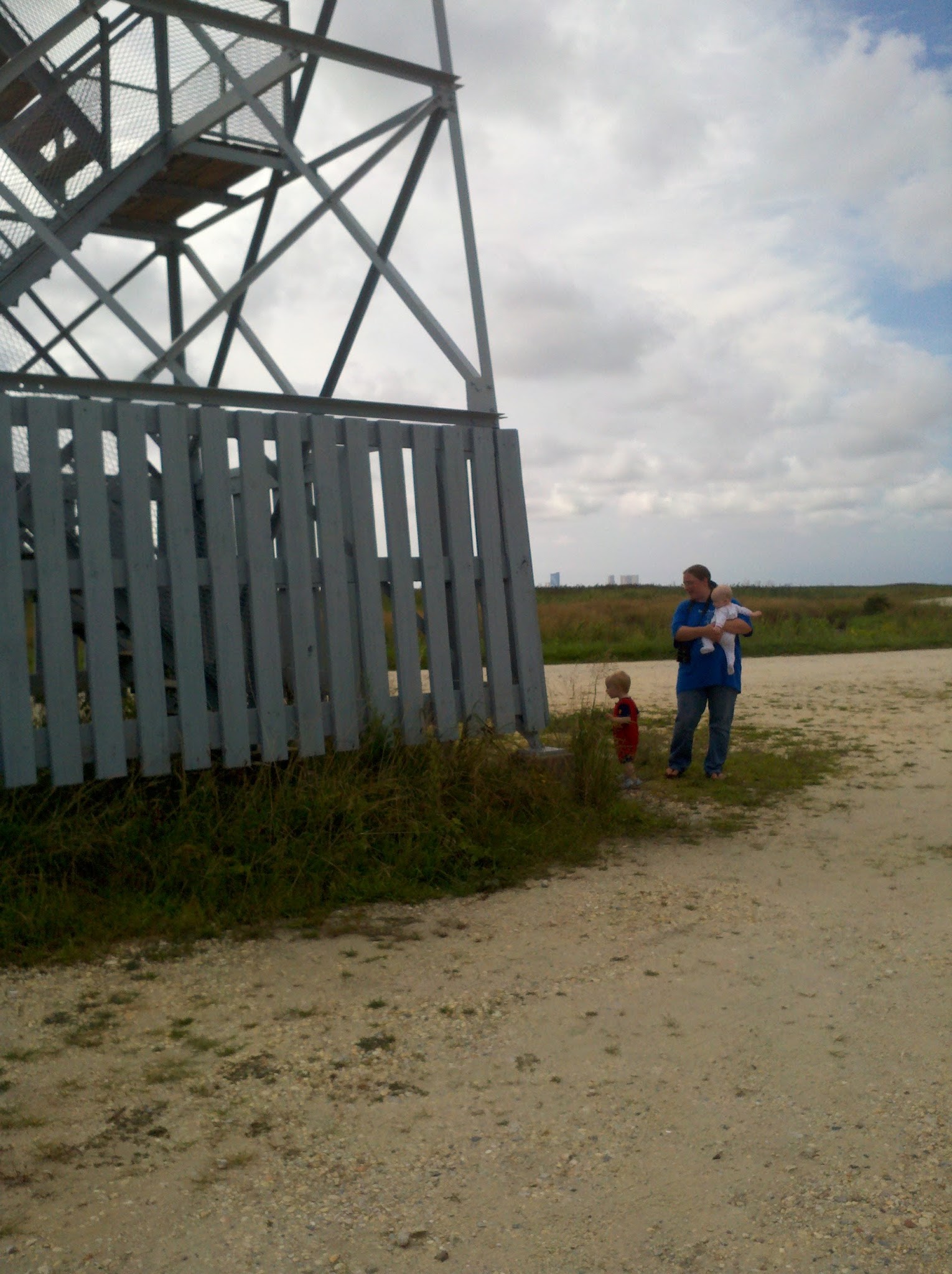
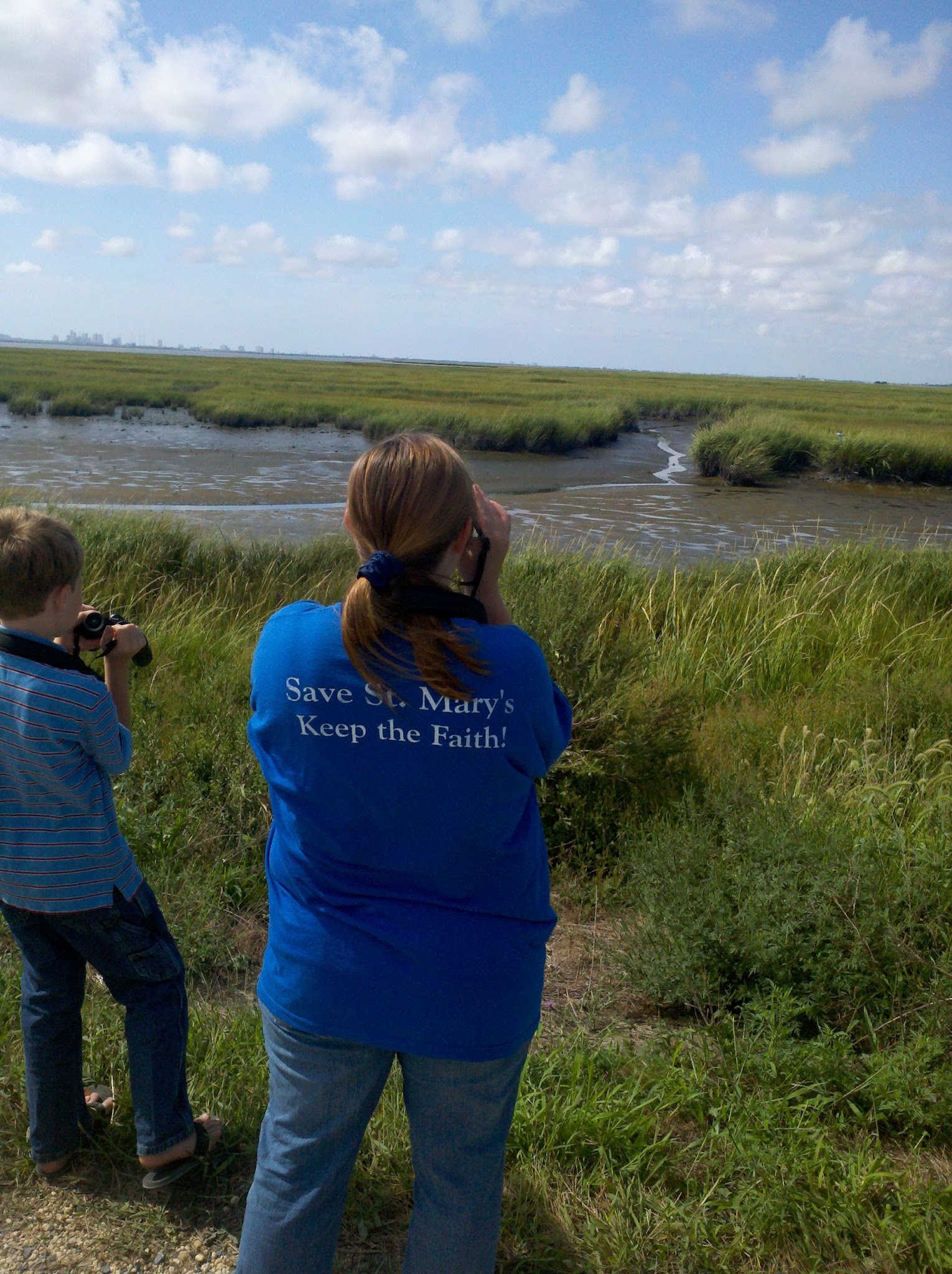
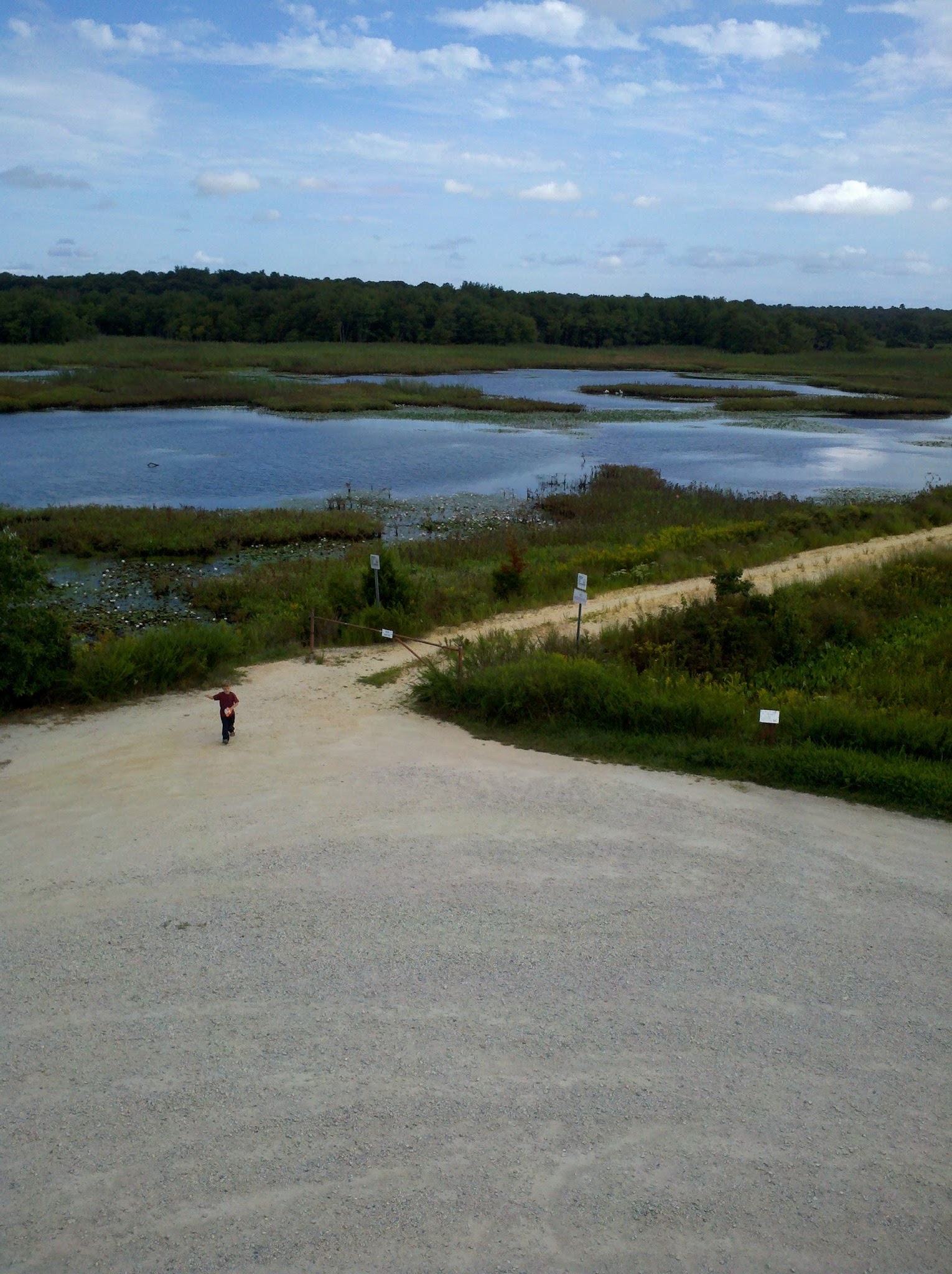
This morn­ing the fam­i­ly joined a bird­ing group at the wildlife cen­ter near Absec­on, NJ. Birds spot­ted include the clap­per rail, semi-palmated sand­piper, many black skim­mers, snowy and great egrets, great blue herons, glossy ibis, For­rester’s terns, a semi-palmated plover, and a pair of black crowned night herons​.It was great going with a bird­ing group. Some of these birds weren’t even vis­i­ble (much less iden­ti­fi­able) to untrained eyes.

blank

blank

blank

blank

blank

blank

blank

blank

blank

blank

blank

blank

When tolerance loses, on the shooting of Sikhs

August 6, 2012

Anoth­er shoot­ing already? Yes­ter­day’s attack at a Sikh tem­ple in Wis­con­sin is simul­ta­ne­ous less and more scary that the “Jok­er attack” in the Col­orado movie the­ater. The tem­ple is a less uni­ver­sal venue, one where few of us have fre­quent­ed. But the impli­ca­tion of a U.S. Army-trained, known white suprema­cist attack­ing a dis­tinct eth­nic group is less an act of ran­dom crazi­ness than it is a polit­i­cal act. Whether the shoot­er turns out to be deranged or not, he’s a long-term mem­ber of what we might call the right-wing hate com­mu­ni­ty and his actions will be seen in that relationship.

A few links to try to make sense of this. The first is the Sikhism page on my wife’s course web­site. She’s paid to teach world reli­gions at the coun­ty com­mu­ni­ty col­lege, but in real­i­ty she teach­es respect, under­stand­ing, and tol­er­ance. She called up the Sikh coali­tion this morn­ing to offer an apol­o­gy. I’m proud of her work. Don’t miss the first embed­ded video, a humor­ous set of inter­views with Sikhs about their tur​bans​.My sym­pa­thies go out to all the Sikhs, both the imme­di­ate vic­tims of yes­ter­day’s vio­lence and all those who will now wor­ry when a white male wirh tat­toos and a shaved head approaches.

The sec­ond is a dusted-off link to a 1997 essay that askswhy the U.S seems to train all of the ter­ror­ists?” While not every jihadist or home­grown mass-murdering nutjob has a U.S. mil­i­tary con­nec­tion, it’s a lot more com­mon than a ran­dom dis­tri­b­u­tion would predict.

Final­ly, one could argue that mod­ern Amer­i­ca’s recipe of mil­i­tarism and mass mur­der start­ed sixty-seven years ago today. The world’s first (and so far only) nuclear war began when the U.S. dropped a sin­gle atom­ic bomb on a city, incin­er­at­ing and lethal­ly poi­son­ing over 100,000 cit­i­zens. Many activists have argued (con­vinc­ing­ly in my opin­ion) that the deaths were unnec­ces­sary and that the Tru­man admin­is­tra­tion knew the Japan­ese were near sur­ren­der. What­ev­er the stat­ed or secret motives, the U.S. for­ev­er changed the cal­cu­lus of it’s self image as sim­ple, right­eous nation (unearned after cen­turies of slav­ery and the geno­cide of Amer­i­ca’s first inhab­i­tants, but that’s anoth­er tale). Friends Jour­nal has assem­bled recent archives on Hiroshi­ma and Nagasa­ki. May we nev­er forget.

Bonus: anoth­er Sikh video: