Philadelphia Yearly Meeting’s Interim Meeting: Getting a horse to drink

September 15, 2010

This past week­end I gave a talk at the Arch Street Meet­ing­house after the Inter­im Meet­ing ses­sions of Phi­ladle­phia Year­ly Meet­ing. Inter­im Meet­ing is the group that meets sort-of month­ly between year­ly meet­ing busi­ness sess­sions. In an ear­li­er blog post I called it “the estab­lish­ment” and I looked for­ward to shar­ing the new life of the blog­ging world and Con­ver­gent Friends with this group. I had been asked by the most excel­lent Stephen Dot­son to talk about “Find­ing Fel­low­ship Between Friends Thru The Inter­net.”

I was curi­ous to return to Inter­im Meet­ing, a group I served on about half a decade ago. As I sat in the meet­ing, I kept see­ing glimpses of issues that I planned to address after­wards in my talk: how to talk afresh about faith; how to pub­li­cize our activ­i­ty and com­mu­ni­cate both among our­selves and with the out­side world; how to engage new and younger mem­bers in our work.

Turns out I did­n’t get the chance. Only half a dozen or so mem­bers of Inter­im Meet­ing stuck around for my pre­sen­ta­tion. No announce­ment was made at the end of ses­sions. None of the senior staff were there and no one from the long table full of clerks, alter­nate clerks and alter­nate alter­nate clerks came. Eleven peo­ple were at the talk (includ­ing some who had­n’t been at Inter­im Meet­ing). The inti­ma­cy was nice but it was hard­ly the “take it to the estabish­ment” kind of event I had imagined.

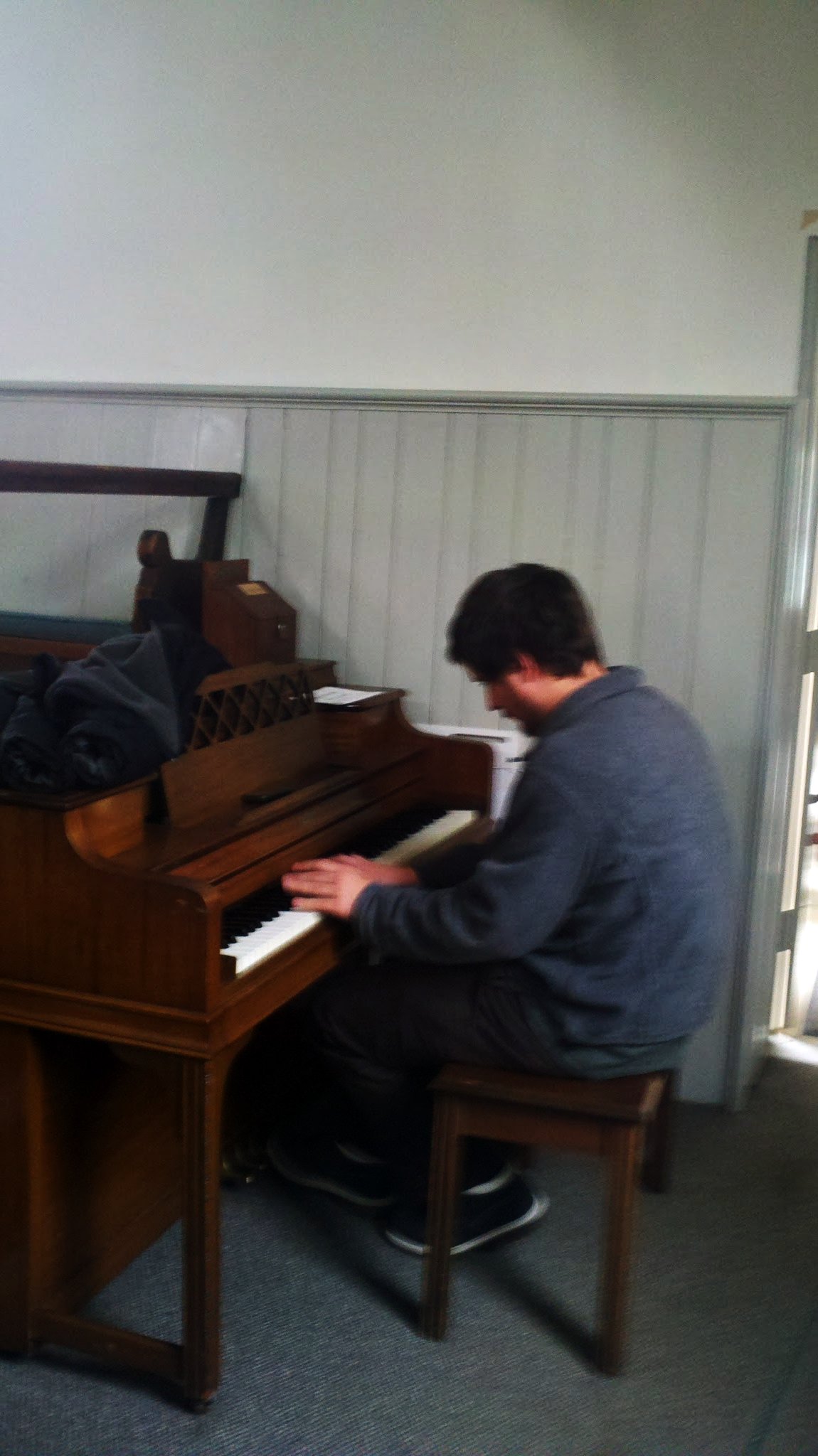
The talk itself went well, despite or maybe because of its inti­ma­cy. I had asked Seth H (aka Chron­i­cler) along for spir­i­tu­al sup­port and he wrote a nice review on Quak­erQuak­er. Steve T, an old friend of mine from Cen­tral Philly days, took some pic­tures which I’ve includ­ed here. I videoed the event, though it will need some work to tight­en it down to some­thing any­one would want to watch online. The peo­ple who attend­ed want­ed to attend and asked great ques­tions. It was good work­ing with Stephen Dot­son again in the plan­ning. I would wish that more Philadel­phia Friends had more inter­est in these issues but as indi­vid­u­als, all we can do is lead a horse to water. In the end, the year­ly meet­ing is in God’s hands.


Below are obser­va­tions from Inter­im Meet­ing and how the Con­ver­gent Friends move­ment might address some of the issues raised. Let me stress that I offer these in love and in the hope that some hon­est talk might help. I’ve served on Inter­im Meet­ing and have giv­en a lot of time toward PYM over the last twen­ty years. This list was for­ward­ed by email to senior staff and I present them here for oth­ers who might be con­cerned about these dynamics.


GENERATIONAL FAIL:

There were about seventy-five peo­ple in the room for Inter­im Meet­ing ses­sions. I was prob­a­bly the third or fourth youngest. By U.S. cen­sus def­i­n­i­tions I’m in my eighth year of mid­dle age, so that’s real­ly sad. That’s two whole gen­er­a­tions that are large­ly miss­ing from PYM lead­er­ship. I know I should­n’t be sur­prised; it’s not a new phe­nom­e­non. But if you had told me twen­ty years ago that I’d be able to walk into Inter­im Meet­ing in 2010 and still be among the youngest, well… Well, frankly I would have uttered a choice epi­thet and kicked the Quak­er dust from my shoes (most of my friends did). I know many Friends bod­ies strug­gle with age diver­si­ty but this is par­tic­u­lar­ly extreme.

WHAT I WANTED TO TELL INTERIM MEETING: About 33% of Quak­erQuak­er’s audi­ence is GenX and 22% are Mil­lenials. If Inter­im Meet­ing were as diverse as Quak­erQuak­er there would have been 16 YAFs (18 – 35 year olds) and 25 Friends 35 and 49 years of age. I would have been about the 29th youngest in the room – mid­dle aged, just where I should be! Quak­erQuak­er has an age diver­si­ty that most East Coast Friends Meet­ings would die for. If you want to know the inter­ests and pas­sions of younger Friends, Quak­er blogs are an excel­lent place to learn. There are some very dif­fer­ent orga­ni­za­tion­al and style dif­fer­ences at play (my post sev­en years ago, a post from Mic­ah Bales this past week).


DECISION-MAKING


The first part of the ses­sions was run with what’s called a “Con­sent Agen­da,” a leg­isla­tive mea­sure where mul­ti­ple agen­da items are approved en masse. It rests on the ide­al­is­tic notion that all seventy-five atten­dees has come to ses­sions hav­ing read every­thing in the quarter-inch pack­et mailed to them (I’ll wait till you stop laugh­ing). Inter­im Meet­ing lumped thir­teen items togeth­er in this man­ner. I sus­pect most Friends left the meet­ing hav­ing for­got­ten what they had approved. Most edu­ca­tors would say you have to rein­force read­ing with live inter­ac­tion but we bypassed all of that in the name of efficiency.

WHAT I WANTED TO TELL INTERIM MEETING: Quak­er blogs are won­der­ful­ly rich sources of dis­cus­sion. Com­ments are often more inter­est­ing than the orig­i­nal posts. Many of us have writ­ten first drafts of pub­lished arti­cles on our blogs and then pol­ished them with feed­back received in the com­ments. This kind of com­mu­ni­ca­tion feed­back is pow­er­ful and does­n’t take away from live meeting-time. There’s a ton of pos­si­bil­i­ties for shar­ing infor­ma­tion in a mean­ing­ful way out­side of meetings.


MINUTES OF WITNESS


Two “min­utes” (a kind of Quak­er statement/press release) were brought to ses­sions. Both were vet­ted through a lengthy process where they were approved first by month­ly and then quar­ter­ly meet­ings before com­ing before Inter­im Meet­ing. A minute on Afghanistan was nine months old, a response to a troop lev­el announce­ment made last Decem­ber; one against Mar­cel­lus Shale drilling in Penn­syl­va­nia was undat­ed but it’s a top­ic that peaked in main­stream media five months ago. I would have more appre­ci­a­tion of this cum­ber­some process if the min­utes were more “sea­soned” (well-written, with care tak­en in the dis­cern­ment behind them) but there was lit­tle in either that explained how the issue con­nect­ed with Quak­er faith and why we were lift­ing it up now as con­cern. A senior staffer in a small group I was part of lament­ed how the min­utes did­n’t give him much guid­ance as to how he might explain our con­cern with the news media. So here we were, approv­ing two out-of-date, hard-to-communicate state­ments that many IM reps prob­a­bly nev­er read.

WHAT I WANTED TO TELL INTERIM MEETING: Blog­ging gives us prac­tice in talk­ing about spir­i­tu­al­i­ty. Com­menters chal­lenge us when we take rhetor­i­cal short­cuts or make assump­tions or trade on stereo­types. Most Quak­er blog­gers would tell you they’re bet­ter writ­ers now than when they start­ed their blog. Spir­i­tu­al writ­ing is like a mus­cle which needs to be exer­cised. To be blunt­ly hon­est, two or three blog­gers could have got­ten onto Skype, opened a shared Google Doc and ham­mered out bet­ter state­ments in less than an hour. If we’re going to be approv­ing these kinds of thing we need to prac­tice and increase our spir­i­tu­al literacy.


THE ROLE OF COMMITTEES


The sec­ond part was Inter­im Meet­ing look­ing at itself. We broke into small groups and ask­ing three ques­tions: “What is the work of Inter­im Meet­ing,” “Are we sat­is­fied with how we do this now?” and “If we were to make changes, what would they be?.” I thought to myself that the rea­son I ever go to events like this is to see dear Friends and to see what sparks of life are hap­pen­ing in the year­ly meet­ing. As our small group went around, and as small groups shared after­wards, I real­ized that many of the peo­ple in the room seemed to agree: we were hun­gry for the all-to-brief moments where the Spir­it broke into the reg­i­ment­ed Quak­er process.

One star­tling tes­ti­mo­ni­al came from a mem­ber of the out­reach com­mit­tee. She explained that her com­mit­tee, like many in PYM, is an admin­is­tra­tive one that’s not sup­posed to do any out­reach itself – it’s all sup­posed to stay very “meta.” They recent­ly decid­ed to have a pic­nic with no busi­ness sched­uled and there found them­selves “going rogue” and talk­ing about out­reach. Her spir­it rose and voice quick­ened as she told us how they spent hours dream­ing up out­reach projects. Of course the out­reach com­mit­tee wants to do out­reach! And with state PYM is in, can we real­ly have a dozen peo­ple sequestered away talk­ing about talk­ing about out­reach. Should­n’t we declare “All hands on deck!” and start doing work? It would have been time well spent to let her share their ideas for the next thir­ty min­utes but of course we had to keep mov­ing. She fin­ished quick­ly and the excite­ment leaked back out of the room.


FOLLOW-UP THOUGHTS AND THE FUTURE OF THE YEARLY MEETING


Now I need to stress some things. I had some great one-on-one con­ver­sa­tions in the breaks. A lot of peo­ple were very nice to me and gave me hugs and asked about fam­i­ly. These are a com­mit­ted, hope­ful group of peo­ple. There was a lot of faith in that room! Peo­ple work hard and serve faith­ful­ly. But it feels like we’re trapped by the sys­tem we our­selves cre­at­ed. I want­ed to share the excite­ment and direct­ness of the Quak­er blog­ging world. I want­ed to share the robust­ness of com­mu­ni­ca­tion tech­niques we’re using and the pow­er of dis­trib­uted pub­lish­ing. I want­ed to share the new spir­it of ecu­men­ti­cal­ism and cross-branch work that’s happening.

I’ve been vis­it­ing local Friends Meet­ings that have half the atten­dance they did ten years ago. Some have trou­ble break­ing into the double-digits for Sun­day morn­ing wor­ship and I’m often the youngest in the room, bring­ing the only small kids. I know there are a hand­ful of thriv­ing meet­ings, but I’m wor­ried that most are going to have close their doors in the next ten to twen­ty years.

I had hoped to show how new com­mu­ni­ca­tion struc­tures, the rise of Con­ver­gent Friends and the seek­ers of the Emerg­ing Church move­ment could sig­nal new pos­si­bil­i­ties for Philadel­phia Year­ly Meet­ing. Toward the end of Inter­im Meet­ing, some Friends bemoaned our lack of resources and clerk Thomas Swain remind­ed them that with God there is no lim­i­ta­tion and noth­ing is impos­si­ble. Some of the things I’m see­ing online are the impos­si­ble come to life. Look at Quak­erQuak­er: an unstaffed online mag­a­zine run­ning off of a $50/month bud­get and get­ting 10,000 vis­its a month. It’s not any­thing I’ve done, but this com­mu­ni­ty that God has brought togeth­er and the tech­no­log­i­cal infra­struc­ture that has allowed us to coor­di­nate so eas­i­ly. It’s far from the only neat project out there and there are a lot more on the draw­ing boad. Some year­ly meet­ings are engag­ing with these new pos­si­bilites. But mine appar­ent­ly can’t even stay around for a talk.

Communities vs Religious Societies

June 15, 2010

Over on Tape Flags and First Thoughts, Su Penn has a great post called “Still Think­ing About My Quak­er Meet­ing & Me.” She writes about a process of self-identity that her meet­ing recent­ly went through it and the dif­fi­cul­ties she had with the process.

communitysocietyI won­dered whether this dif­fi­cul­ty has become one of our modern-day stages of devel­op­ing in the min­istry. Both Samuel Bow­nas (read/buy) and Howard Brin­ton (buy) iden­ti­fied typ­i­cal stages that Friends grow­ing in the min­istry typ­i­cal­ly go through. Not every­one expe­ri­ences Su’s rift between their meet­ing’s iden­ti­ty and a desire for a God-grounded meet­ing com­mu­ni­ty, but enough of us have that I don’t think it’s the foibles of par­tic­u­lar indi­vid­u­als or month­ly meet­ings. Let me tease out one piece: that of indi­vid­ual and group iden­ti­ties. Much of the dis­cus­sion in the com­ments of Su’s post have swirled around rad­i­cal­ly dif­fer­ent con­cep­tions of this. 

Many mod­ern Friends have become pret­ty strict indi­vid­u­al­ists. We spend a lot of time talk­ing about “com­mu­ni­ty” but we aren’t prac­tic­ing it in the way that Friends have under­stood it – as a “reli­gious soci­ety.” The indi­vid­u­al­ism of our age sees it as rude to state a vision of Friends that leaves out any of our mem­bers – even the most het­ero­dox. We are only as unit­ed as our most far-flung believ­er (and every decade the sweep gets larg­er). The myth of our age is that all reli­gious expe­ri­ences are equal, both with­in and out­side of par­tic­u­lar reli­gious soci­eties, and that it’s intol­er­ant to think of dif­fer­ences as any­thing more than language.

This is why I cast Su’s issues as being those of a min­is­ter. There has always been the need for some­one to call us back to the faith. Con­trary to modern-day pop­u­lar opin­ion, this can be done with great love. It is in fact great love (Quak­er Jane) to share the good news of the directly-accessible lov­ing Christ, who loves us so much He wants to show us the way to right­eous liv­ing. This Quak­er idea of right­eous­ness has noth­ing to do with who you sleep with, the gas mileage of your car or even the “cor­rect­ness” of your the­ol­o­gy. Jesus boiled faith­ful­ness down into two com­mands: love God with all your might (how­ev­er much that might be) and love your neigh­bor as yourself.

A “reli­gious soci­ety” is not just a “com­mu­ni­ty.” As a reli­gious soci­ety we are called to have a vision that is stronger and bold­er than the lan­guage or under­stand­ing of indi­vid­ual mem­bers. We are not a per­fect com­mu­ni­ty, but we can be made more per­fect if we return to God to the full­ness we’ve been giv­en. That is why we’ve come togeth­er into a reli­gious society.

“What makes us Friends?” Just fol­low­ing the mod­ern tes­ti­monies does­n’t put us very square­ly in the Friends tra­di­tion – SPICE is just a recipe for respect­ful liv­ing. “What makes us Friends?” Just set­ting the stop­watch to an hour and sit­ting qui­et­ly does­n’t do it – a wor­ship style is a con­tain­er at best and false idol at worst. “How do we love God?” “How do we love our neigh­bor?” “What makes us Friends?” These are the ques­tions of min­istry. These are the build­ing blocks of outreach.

I’ve seen nascent min­is­ters (“infant min­is­ters” in the phras­ing of Samual Bow­nas) start ask­ing these ques­tions, flare up on inspired blog posts and then tail­dive as they meet up with the cold-water real­i­ty of a local meet­ing that is unsup­port­ive or inat­ten­tive. Many of them have left our reli­gious soci­ety. How do we sup­port them? How do we keep them? Our answers will deter­mine whether our meet­ing are reli­gious soci­eties or communities.

Dusting off the Elders of Balby

January 28, 2010

One of the blue­prints for Quak­er com­mu­ni­ty is the “Epis­tle from the Elders at Bal­by” writ­ten in 1656 at the very infan­cy of the Friends move­ment by a gath­er­ing of lead­ers from York­shire and North Mid­lands, England.

It’s the pre­cur­sor to Faith and Prac­tice, as it out­lines the rela­tion­ship between indi­vid­u­als and the meet­ing. If remem­bered at all today, it’s for its post­script, a para­phrase of 2 Corinthi­ans that warns read­ers not to treat this as a form to wor­ship and to remain liv­ing in the light which is pure and holy. That post­script now starts off most lib­er­al Quak­er books of Faith and Practice. 

But the Epis­tle itself is well worth dust­ing off. It address­es wor­ship, min­istry, mar­riage, and how to deal in meek­ness and love with those walk­ing “dis­or­der­ly.” It talks of how to sup­port fam­i­lies and take care of mem­bers who were impris­oned or in need. Some of it’s lan­guage is a lit­tle stilt­ed and there’s some talk of the role of ser­vants that most mod­ern Friend would object to. But over­all, it’s a remark­ably lucid, prac­ti­cal and rel­e­vant doc­u­ment. It’s also short: just over two pages.

One of the things I hear again and again from Friends is the desire for a deep­er com­mu­ni­ty of faith. Younger Friends are espe­cial­ly drawn toward the so-called “New Monas­tic” move­ment of tight com­mu­nal liv­ing. The Bal­by Epis­tle is a glimpse into how an ear­li­er gen­er­a­tion of Friends addressed some of these same concerns.

ONLINE EDITIONS OF THE EPISTLE AT BALBY:
Quak­er Her­itage Press: qhpress​.org/​t​e​x​t​s​/​b​a​l​b​y​.​h​tml
Street Cor­ner Soci­ety: strecor​soc​.org/​d​o​c​s​/​b​a​l​b​y​.​h​tml
Wik­isource: en​.wik​isource​.org/​w​i​k​i​/​T​h​e​_​E​p​i​s​t​l​e​_​f​r​o​m​_​t​h​e​_​E​l​d​e​r​s​_​a​t​_​B​a​l​b​y​,​_​1​656

DISCUSSIONS:
Brook­lyn Quak­er post & dis­cus­sion (2005): brook​lyn​quak​er​.blogspot​.com/​2​0​0​5​/​0​3​/​e​l​d​e​r​s​-​a​t​-​b​a​l​b​y​.​h​tml

SEO Myths I: Analyze This

January 22, 2007

Every web design­er under the sun talks about search engine opti­miza­tion (SEO), but it amazes me to see how often basic prin­ci­ples are ignored. I’m in-between jobs right now, which means I’m spend­ing a lot of time look­ing at poten­tial employ­ers’ web­sites. I’ve decid­ed to start a series of posts on SEO myths and real­i­ties that will talk about design­ing for max­i­mum visibility.

I’m not going to focus on any of the under­hand­ed tricks to fool search engines into list­ing an inap­pro­pri­ate page. Google hates this kind of tac­tic and so do I. You get vis­its for hav­ing good con­tent. Good search rank­ings are based on good con­tent and the best way to boost your con­tent is to present your page in a way that lets both humans and search engines find the con­tent they want. Part one is on web­site analy­sis and tracking.

Don’t assume that your web­site is easy to nav­i­gate. One of the neat­est things about the web is that we have instant feed­back on use. With just a lit­tle track­ing we can see what pages peo­ple are look­ing at, how they’re find­ing our site and what they’re doing once they’re here.

Javascript Trackers:

My most advanced sites are cur­rent­ly using four dif­fer­ent track­ing meth­ods. Most uti­lize javascript “bugs,” tiny snip­pets of code that send indi­vid­ual results to an advanced soft­ware track­ing sys­tem. I put the code inside a Move­able Type “Mod­ules Tem­plate” which is auto­mat­i­cal­ly import­ed to all pages. Installing a new sys­tem is as easy as cutting-and-pasting the javascript into the Tem­plate and rebuild­ing the site.

  • AXS Vis­i­tors Track­ing System
    This soft­ware installs on your serv­er but don’t let that scare you: this is one of the eas­i­est instal­la­tions I’ve ever seen. AXS gives you great charts of usage: you can nar­row it spe­cif­ic pages on your site, or even par­tic­u­lar search engines or search phrases.
    There’s also a option to view the lastest traf­fic by vis­i­tor. I love watch­ing this! You can see how indi­vid­u­als are using the site and where they’re nav­i­gat­ing. I’ve been able to iden­ti­fy dif­fer­ent types of vis­i­tors this way and under­stand the com­plex­i­ty of the audience.
    It does­n’t seem like AXS is not being devel­oped any­more. The lat­est sta­ble ver­sion came out over two years go, which is a shame.
  • Hit­Tail
    This ser­vice watch­es search-engine links and makes rec­om­men­da­tions for new key­words. I wrote about this ser­vice yes­ter­day in Blog­ging for the Long Tail.

  • Reeferss​.com
    This is a sim­ple sim­ple bit of soft­ware. Like every oth­er track­ing sys­tem it keeps track of refer­rers: search engines and web­sites that bring traf­fic to your site. But unlike the oth­ers that’s all it does. Why care then? It pro­vides a real-time RSS feed of these vis­i­tors. I bring the feed into my “Netvibes” page (a cus­tomized start page, see below) and scan the results mul­ti­ple times a day.

  • Google Ana­lyt­ics
    The inter­net’s gate­keep­er bought the Urchin ana­lyt­ics com­pa­ny in April 2005 and relaunched the prod­uct as Google Ana­lyt­ics short­ly there­after. This is becom­ing an essen­tial track­er. It’s free and it’s pow­er­ful, though I haven’t been as impressed by it as oth­ers have. See its Wiki page for more.

Internet Trackers:

It’s easy to find out what peo­ple are say­ing about you online.

  • Tech­no­rati
    This ser­vice tracks blogs but you don’t need to have a blog to use it, for Tech­no­rati will tell you where blogs are link­ing. Give it your URLs (or those of your com­peti­tors!) and you’ll know when­ev­er a blog­ger puts in a link to you. You can also give it key­words and find out when a blog uses them.
  • Google Blog Search
    Google can also let you fol­low blog ref­er­ences or key­word men­tions on the blogs. Google will also track beyond blogs of course. Type “site:www.yourdomain.com” into the main Google search page and you’ll see who’s link­ing to your site (or to the com­pe­ti­tion). There are lots of oth­er ser­vices that track blogs and men­tions – Sphere, Blog­lines, etc. They all have dif­fer­ent strengths so try them and see what you think.

  • Feed­burn­er
    The best RSS mas­sager has always focused on ways to track your RSS feed. They’ve recent­ly intro­duced page track­ing soft­ware too. It looks great but I just installed it this week. I still have to see if it’s as good as Feed­burn­er’s oth­er offerings.

Keeping on top of this flow of data:

It’s easy to get over­whelmed by all of this infor­ma­tion. Most of the track­ing ser­vices pro­vide RSS feeds (See The Won­ders of RSS Feeds for an intro). I use Netvibes, a cus­tomized start page, to pull these all togeth­er into a sin­gle page that I can scan every morn­ing. Here’s a screen­shot of part of my Netvibes track­ing page – the full page cur­rent­ly shows four­teen track­ing feeds on one screen:

So why is tracking important to SEO?

With track­ing you find out what peo­ple are look­ing for on the inter­net. This helps you cre­ate pages and ser­vices that peo­ple will want to find. You might be sur­prised to see what they’re already find­ing on your site. Some examples:

  • Ana­lyz­ing one site, I noticed that few pages I thought were obscure were bring­ing in high Google traf­fic. I looked at these pages again and real­ized they did a good job of describ­ing the com­pa­ny’s mis­sion. I con­se­quent­ly redesigned the site home­page to fea­ture them and I made sure that those pages con­tained direct links to its most impor­tant services.

  • When I start­ed work for anoth­er client I looked at their site and sus­pect­ed that they’re most impor­tant arti­cles were not being seen – vis­i­tors had to click through about four times to get to them. Six months of track­ing con­firmed my hunch and gave me the hard data to con­vince the exec­u­tive direc­tor that we made some small mod­i­fi­ca­tions to the design. Hav­ing this strong con­tent linked right off the home­page helped bring in Google traffic.

Visiting a Quaker School

April 18, 2006

I had an inter­est­ing oppor­tu­ni­ty last Thurs­day. I skipped work to be talk with two Quak­erism class­es at Philadel­phi­a’s William Penn Char­ter School (thanks for the invite Michael and Thomas!). I was asked to talk about Quak­er blogs, of all things. Sim­ple, right? Well, on the pre­vi­ous Tues­day I hap­pened upon this pas­sage from Bri­an Dray­ton’s new book, On Liv­ing with a Con­cern for Gospel Min­istry:

I think that your work will have the great­est good effect if you wait to find whether and where the springs of love and divine life con­nect with this open­ing before you appear in the work. This is even true when you have had an invi­ta­tion to come and speak on a top­ic to a work­shop or some oth­er forum. It is wise to be sus­pi­cious of what is very easy, draws on your prac­ticed strengths and accom­plish­ments, and can be treat­ed as an every­day trans­ac­tion. (p. 149).

Good advice. Of course the role of min­istry is even more com­pli­cat­ed in that I was­n’t address­ing a Quak­er audi­ence: like the major­i­ty of Friends schools, few Penn Char­ter stu­dents actu­al­ly are Quak­er. I’m a pub­lic school kid, but it from the out­side it seems like Friends schools stress the ethos of Quak­erism (“here’s Penn Char­ter’s state­ment”). Again Dray­ton helped me think beyond nor­mal ideas of pros­e­ly­tiz­ing and out­reach when he talked about “pub­lic meetings”:

We are also called, I feel to invite oth­ers to share Christ direct­ly, not pri­mar­i­ly in order to intro­duce them to Quak­erism and bring them into our meet­ings, but to encour­age them to turn to the light and fol­low it” (p. 147).

What I shared with the stu­dents was some of the ways my inter­ac­tion with the Spir­it and my faith com­mu­ni­ty shapes my life. When we keep it real, this is a pro­found­ly uni­ver­sal­ist and wel­com­ing message.

I talked about the per­son­al aspect of blog­ging: in my opin­ion we’re at our best when we weave our the­ol­o­gy with with per­son­al sto­ries and tes­ti­monies of spe­cif­ic spir­i­tu­al expe­ri­ences. The stu­dents remind­ed me that this is also real world les­son: their great­est excite­ment and ques­tion­ing came when we start­ed talk­ing about my father (I used to tell the sto­ry of my com­plete­ly messed-up child­hood fam­i­ly life a lot but have been out of the habit late­ly as it’s reced­ed into the past). The stu­dents real­ly want­ed to under­stand not just my sto­ry but how it’s shaped my Quak­erism and influ­enced my com­ing to Friends. They asked some hard ques­tions and I was stuck hav­ing to give them hard answers (in that they were non-sentimental). When we share of our­selves, we present a wit­ness that can reach out to others.

Lat­er on, one of the teach­ers pro­ject­ed my blogroll on a screen and asked me about the peo­ple on it. I start­ed telling sto­ries, relat­ing cool blog posts that had stuck out in my mind. Wow: this is a pret­ty amaz­ing group, with diver­si­ty of ages and Quak­erism. Review­ing the list real­ly remind­ed me of the amaz­ing com­mu­ni­ty that’s come togeth­er over the last few years.

One inter­est­ing lit­tle snip­pet for the Quak­er cul­tur­al his­to­ri­ans out there: Penn Char­ter was the Gur­neyite school back in the day. When I got Michael’s email I was ini­tial­ly sur­prised they even had class­es on Quak­erism as it’s often thought of as one of the least Quak­er of the Philadelphia-area Quak­er schools. But think­ing on it, it made per­fect sense: the Gur­neyites loved edu­ca­tion; they brought Sun­day School (sor­ry, First Day School) into Quak­erism, along with Bible study and high­er edu­ca­tion. Of course the school that bears their lega­cy would teach Quak­erism. Inter­est­ing­ly enough, the his­tor­i­cal Ortho­dox school down the road aways recent­ly approached Penn Char­ter ask­ing about their Quak­er class­es; in true Wilbu­rite fash­ion, they’ve nev­er both­ered try­ing to teach Quak­erism. The offi­cial Philadel­phia Quak­er sto­ry is that branch­es were all fixed up nice and tidy back in 1955 but scratch the sur­face just about any­where and you’ll find Nine­teenth Cen­tu­ry atti­tudes still shap­ing our insti­tu­tion­al cul­ture. It’s pret­ty fas­ci­nat­ing really.

Love is unconditional and accepts us for who we are

March 15, 2006

I tried to post this as a com­ment on “this piece by James Riemermann”:http://feeds.quakerquaker.org/quaker?m=299 on the Non­the­ist Friends web­site but the site expe­ri­enced a tech­ni­cal dif­fi­cul­ty when I tried to sub­mit it (hope it’s back up soon!). James describes his post as a “rant” about “conservative-leaning lib­er­al Friends,” and one theme that got picked up in the com­ments was how he and oth­ers felt exclud­ed by us (for that is a term I use to try to describe my spir­i­tu­al con­di­tion). Rather than loose the com­ment I’ll just post it here.
Hi James and everyone,
Well, I think I was one of the first of the Quak­er blog­gers to talk about conservative-leaning lib­er­al Quak­ers back in July 2003. I too am not sure it’s any­thing worth call­ing a “move­ment.”
I hear this feel­ing of being exclud­ed but I’m not sure where that’s com­ing from. When James had a real­ly won­der­ful, thought-provoking response to my “We’re All Ranters Now” piece, I asked him if I could “reprint” the com­ment as its own guest piece. It got a lot of atten­tion, a lot of com­ments. I did­n’t real­ize you were using non​the​ist​friends​.org as a blog these days but “Robin M”:http://www.quakerquaker.org/contributors_robin_m/ of “What Canst Thou Say”:http://robinmsf.blogspot.com/ did and has added a link to your post from “QuakerQuaker.org”:www.quakerquaker.org, which again is a val­i­da­tion that yours is an impor­tant voice (I can pret­ty much guar­an­tee that this is going to be one of the more fol­lowed links). You and every­one here are part of the family.
Yes, we have some dis­agree­ments. I don’t think Quak­erism is sim­ply made up of who­ev­er makes it into the meet­ing­house. I think we have a tra­di­tion that we’ve inher­it­ed. This con­sists of prac­tices and val­ues and ways of look­ing at the world. Much of that tra­di­tion comes from the gospel of Jesus and the epis­tles between the ear­li­est Chris­t­ian com­mu­ni­ties. Much of what might feel like neu­tral Quak­er prac­tice is a clear echo of that tra­di­tion, and that echo is what I talk about that in my blogs. I think it’s good to know where we’re com­ing from. That does­n’t mean we’re stuck there and we adapt it as our rev­e­la­tion changes (this atti­tude is why I’m a lib­er­al Friend no mat­ter how much I talk about Christ). These blog con­ver­sa­tions are the ways we share our expe­ri­ences, min­is­ter to and com­fort one another.
That peo­ple hold dif­fer­ent reli­gious under­stand­ings and prac­tices isn’t in itself inher­ent­ly exclu­sion­ary. Diver­si­ty is good for us, right? There’s no one Quak­er cen­ter. There’s muli­ti­ple con­ver­sa­tions hap­pen­ing in mul­ti­ple lan­guages, much of it glo­ri­ous­ly over­lap­ping on the elec­tron­ic path­ways of the inter­net. That’s won­der­ful, it shows a great vital­i­ty. The reli­gious tra­di­tion that is Quak­erism is not dead, not moth­balled away in a liv­ing his­to­ry muse­um some­where. It’s alive, with its assump­tions and bound­aries con­stant­ly being revis­it­ed. That’s cool. If a par­tic­u­lar post feels too carp­ing, there’s always the “elder­ing of the back but­ton,” as I like to call it. Let’s try to hear each oth­er from where we are and to remain open to the min­istry from those who might appear to be com­ing from a dif­fer­ent place. Love is the first move­ment and love is uncon­di­tion­al and accepts us for who we are.
I bet­ter stop this before I get too mushy, with all this talk of love! See what I mean about being a lib­er­al Quaker?
Your Friend, Martin